
Flood insurance overhaul: what’s broken in the U.S. system and what reform could change
Why flood insurance is a separate policy
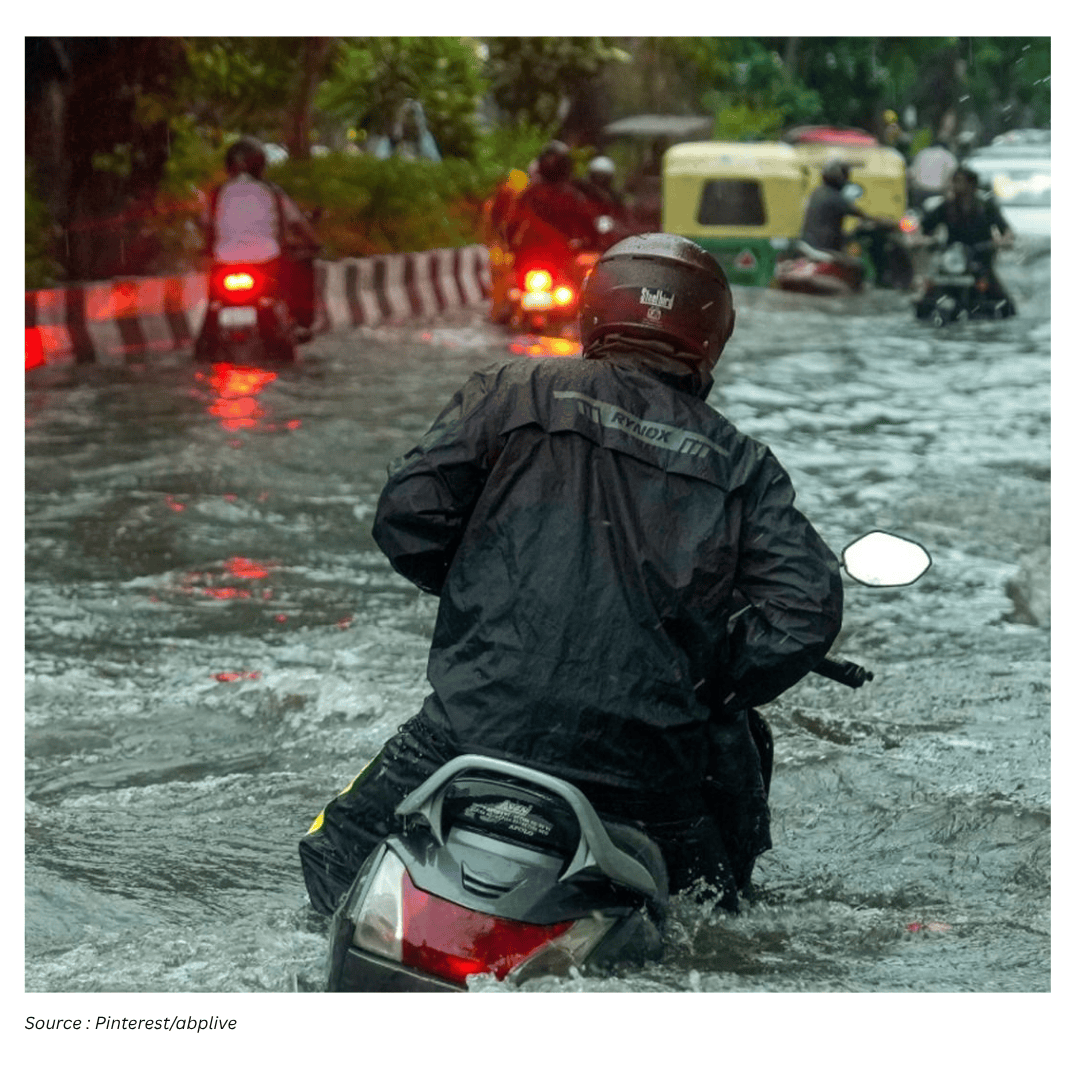
Many homeowners assume their standard homeowners policy will protect them from most water-related disasters. But flooding is treated differently. Homeowners insurance generally does not cover damage caused by flooding, which is typically defined as water traveling along or under the ground. That distinction matters because it means a homeowner who wants protection from flood-related losses usually needs a separate flood insurance policy.
This gap in coverage has shaped the U.S. flood insurance market for decades. When households discover after a storm that flood damage is excluded, the financial consequences can be severe. As a result, flood insurance is not just an add-on product; for many properties it is the primary tool for managing a risk that can be catastrophic and, in some regions, recurring.
What the National Flood Insurance Program is and why it exists
Most flood insurance policies in the United States are underwritten by the National Flood Insurance Program (NFIP), a government program that sits within the Federal Emergency Management Agency. The NFIP was established in 1968 for two main reasons: flood insurance was not widely available in the private market, and policymakers wanted to reduce demand for federal disaster assistance after major flood events. The program also includes provisions intended to reduce flood risk, reflecting a broader public-interest goal beyond simply paying claims.
Homeowners can obtain an NFIP policy directly from the program or through a private insurer that sells the federal policy. In addition, some private insurers offer their own flood policies on a limited basis, particularly for properties that may be overcharged under the government program’s pricing approach. This mix of federal underwriting and private distribution has created a system that is widespread, but also complex and often misunderstood by consumers.
How flood insurance is funded
The NFIP is funded largely through premiums and fees paid by policyholders. It also receives a smaller amount of support from the federal budget, used in part to help pay for flood risk mapping. Because the program serves a public interest—promoting “sound land use” and reducing exposure of property to flood losses—some observers argue that a larger share of funding for flood risk management should be borne by taxpayers rather than relying primarily on policyholders.
This funding structure is at the center of today’s reform debate. If premiums are expected to cover most costs, prices may need to rise for many households, particularly in higher-risk areas. If taxpayers are expected to shoulder more of the burden, the program could potentially keep premiums lower while still paying claims and supporting risk management. Either approach involves trade-offs, and the tension between affordability and financial sustainability has been a recurring theme in legislative efforts to change the program.
How many people have flood insurance—and why it’s hard to know
It is difficult to determine exactly how many homeowners have flood insurance. The NFIP had just over 5 million policies in force as of January in the referenced data. Of those policies, approximately 69% were on single-family homes and 20% were on condo units.
There is no definitive source on how many private flood policies are in force nationwide. However, the expert perspective reflected in the material suggests private policies represent only about 15% of all flood policies sold nationally. That estimate underscores the NFIP’s central role and also highlights how limited the private market remains, at least at a national scale.
In recent years, the number of flood policies has been dropping across the country. Two reasons are emphasized: concerns about cost and the tendency for people to underestimate flood risk. The result is that even places that experience major floods can have relatively low insurance participation.
What underinsurance looks like in practice
Examples from recent flood events illustrate how coverage gaps can translate into large uninsured losses. In Nebraska—described as the hardest hit by record flooding in the Midwest—there were fewer than 10,000 flood insurance policies in a state with almost 2 million residents, while damage was expected to exceed US$1 billion.
Even hurricane-prone areas can be underinsured. Before Hurricane Harvey in 2017, experts estimated that only about 15% of homeowners in Harris County, which includes Houston, were insured for floods, though the percentage would be expected to be higher in areas near coastlines. After Harvey, a real estate data company estimated that approximately 75% of flood losses were uninsured, and a similar figure—about 80%—was estimated for Hurricane Irma.
These figures help explain why flood insurance reform is often framed as a consumer protection issue as much as a fiscal one. When most losses are uninsured, recovery depends on savings, loans, or limited forms of assistance—none of which are designed to replace comprehensive insurance coverage.
Why homeowners decide to buy—or skip—flood insurance
A homeowner’s decision to purchase flood insurance is influenced by multiple factors. People who believe their exposure to floods is high are more likely to buy coverage, all else equal. But perception can diverge from reality, particularly when flood risk is difficult to calculate or when residents have not experienced a recent event.
There is also a mandatory purchase requirement intended to force owners of mortgaged homes in high-risk flood areas to buy flood insurance. Yet it is estimated that only about half of those who are required to carry it actually do. That compliance gap is significant because it suggests that rules alone do not guarantee broad participation, even among households that are formally within the system’s guardrails.
Misunderstanding plays a role as well. A notable share of homeowners—43%—incorrectly believe their homeowners insurance covers flood losses. That misconception can delay decisions until after a disaster, when it is too late to buy coverage for an imminent event.
Other barriers include lack of information, the difficulty of evaluating flood risk, and the expectation that government disaster assistance will fully cover uninsured flood losses. The material stresses that this expectation is rarely accurate. In other words, some households may be making a decision not to insure based on an assumption about post-disaster help that does not match typical outcomes.
What an NFIP policy covers—and what it doesn’t
NFIP coverage comes with defined limits. A homeowner can purchase coverage on a dwelling up to $250,000 and coverage for the contents of a home up to $100,000. The policy does not cover costs associated with “loss of use” of a home, meaning it does not pay for certain living expenses that can arise when a property is uninhabitable.
These coverage limits have been in place since 1994. The material argues they are no longer high enough to reflect increases in the replacement cost of homes and the actual cash value of their contents. As a result, some homeowners seek additional flood protection from private insurers to cover the gap between NFIP limits and the value at risk.
From a consumer perspective, this creates a two-part challenge: understanding whether flood insurance is needed at all, and then determining whether the standard federal limits are sufficient for the property. For higher-value homes or households with significant personal property, the limits can leave meaningful exposure even when a policy is in force.
Why the program is criticized for pricing and underwriting
The NFIP has faced substantial criticism over underwriting and pricing decisions that have contributed to large debt. The core issue described is straightforward: premiums have not been high enough to cover claims payments and other costs. When a program repeatedly pays out more than it collects, it must borrow or receive additional support to remain solvent.
One factor is that about 20% of insured properties pay a subsidized rate. But the issue extends beyond explicit subsidies. Many other policyholders are paying premiums that are substantially less than the cost to insure them, based largely on whether a home is inside or outside the 100-year floodplain. This approach can create sharp pricing differences tied to floodplain boundaries, even though risk can vary significantly from property to property.
The scale of losses from individual storms highlights how quickly costs can mount. The program paid $8.7 billion for Harvey-related flood losses, $16.3 billion for Katrina, and $8.8 billion for Sandy. These figures illustrate why accurate pricing and broad participation matter: a single event can generate claims that overwhelm years of premium collection if rates are not aligned with risk.
Moral hazard and incentives in flood-prone areas
Below-cost flood insurance rates can also create what economists call moral hazard. When insurance is priced below the true cost of the risk, people may be more likely to buy, build, or rebuild in flood-prone areas. They may also have weaker incentives to invest in mitigation, such as elevating a home, if they can obtain insurance without paying a premium that reflects the property’s flood exposure.
This is one of the most difficult aspects of flood insurance policy design. The goal is to help households recover after a devastating flood, but also to avoid encouraging decisions that increase long-term exposure. The NFIP was created with provisions intended to reduce flood risk, yet pricing that does not reflect risk can work against that objective.
The NFIP’s debt and what Congress has done so far
The program’s financial strain is visible in its debt. Congress forgave $16 billion in NFIP debt in 2017. Even after that relief, the NFIP still owed $21 billion to the U.S. Treasury as of September in the referenced data.
Legislative efforts to reform the program have produced mixed results. The Biggert-Waters Act of 2012 introduced changes intended to make the NFIP “more financially stable,” including premium increases. The material suggests these changes could have gone a long way toward restoring fiscal solvency. However, an outcry from homeowners in high-risk areas contributed to a subsequent law—the 2014 Homeowners Flood Insurance Affordability Act—which limited or rescinded many of the Biggert-Waters rate increases.
This back-and-forth shows how flood insurance reform often runs into a practical dilemma: measures that improve the program’s finances can raise costs for households, which can trigger political resistance and, potentially, reduce participation.
What an overhaul could involve
The material frames the need for reform in direct terms: a program relied on by millions of Americans to rebuild after devastating floods needs to be fixed. It outlines two broad paths to address the NFIP’s financial problems: either taxpayers pay more of the bill, or premiums rise closer to full-cost rates for most homeowners. It also points to another change that could be necessary alongside pricing reform: raising total coverage levels, given that current limits have not changed since 1994.
In that context, the Trump administration proposed a shift toward calculating premiums to more accurately reflect the actual flood risk individual homes face, beginning in 2020. A move toward more risk-based pricing could mean higher rates for many homeowners, while others could see lower rates.
But risk-based pricing also raises a participation challenge. The material argues that the government needs to do more to convince or compel at-risk homeowners to buy flood insurance. That becomes harder if premiums rise, because higher prices can deter purchase—especially among households that already underestimate risk or believe they are protected through other means.
Six key questions consumers and policymakers are grappling with
1) Why isn’t flood damage covered by homeowners insurance?
Because flooding is treated as a separate peril, homeowners typically need a dedicated flood policy for losses involving water traveling along or under the ground.2) Who provides most flood insurance coverage?
Most policies are underwritten by the NFIP, a FEMA program created in 1968 to address limited private-market availability and reduce reliance on disaster assistance.3) How many households are actually insured?
The NFIP had just over 5 million policies in force as of January in the referenced data, but overall participation is hard to pin down because private-policy totals are not centrally reported.4) Why do so many people remain uninsured?
Cost concerns, underestimation of risk, confusion about what homeowners insurance covers (43% mistakenly think it includes floods), and assumptions about disaster assistance all contribute. Even among those required to buy coverage, only about half are estimated to comply.5) Are NFIP coverage limits still adequate?
The dwelling limit of $250,000 and contents limit of $100,000 have been unchanged since 1994, and the policy does not cover “loss of use.” Some homeowners turn to private insurers to fill gaps.6) What’s driving the push to overhaul pricing?
The program has been criticized for premiums that do not cover claims and costs, contributing to substantial debt. Subsidized and below-cost rates can also weaken incentives to reduce risk. Proposed reforms would aim to align premiums more closely with individual home risk, which could raise rates for many homeowners.
What reform must balance: solvency, affordability, and participation
The debate over flood insurance reform is not only about accounting. It is also about how to spread risk and responsibility in a way that keeps coverage available and encourages more households to participate. The material suggests that if premiums move closer to full-cost pricing, policymakers may also need to consider greater taxpayer support so that higher prices do not discourage people from buying coverage.
At the same time, the program’s long-term viability depends on addressing the mismatch between what it collects and what it pays out—especially when single storms can generate multi-billion-dollar claim totals. Any overhaul, therefore, has to navigate competing goals: pricing that reflects risk, protection that is adequate for modern home values, and a system that people actually use before disaster strikes.