
Health Insurance
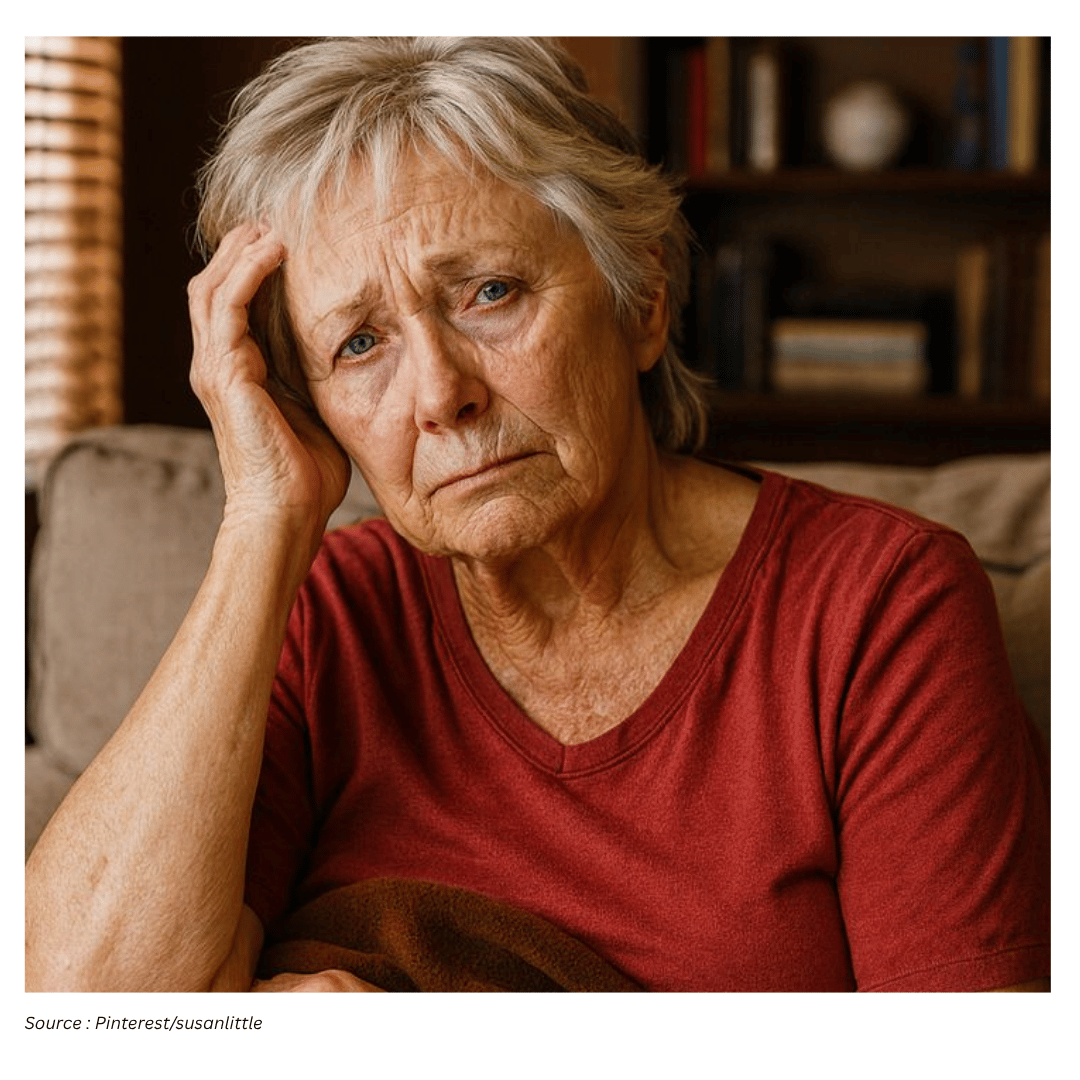
Private health rebate cuts for over-65s: fairness argument meets affordability fears
A federal proposal to reduce private health insurance rebates for Australians over 65 is being framed as a generational fairness measure, but seniors’ advocates and some states warn it could push more people out of private cover and add pressure to public hospitals.
Who owns your GP clinic? Why insurer-backed care is raising questions about access and choice
Major private health insurers are expanding into GP clinics, telehealth and even hospital services. Supporters say it can improve access and prevention, but doctors warn the trend could deepen a two-tier system and create conflicts of interest that affect patient choice.

Government to Align Private Health Insurance Rebate for Over-65s With Younger Australians
Australians aged over 65 are set to pay around $240 more per year for private health insurance after the federal government moved to remove a higher rebate for some older policyholders. The change, announced by Health Minister Mark Butler, is framed as a generational fairness measure and is expected to save $3 billion over four years, while prompting an estimated 44,000 people to drop cover.
Bupa faces scrutiny over hospital contracts and ‘No Gap’ rules as private providers warn of reduced patient choice
Leaked contract terms and industry complaints have sparked allegations that Bupa’s arrangements with private hospitals restrict competition and steer patients toward contracted facilities. Bupa rejects the claims, arguing its Medical Gap Scheme is designed to limit unexpected out-of-pocket costs.

More than 8 million Australians rely on income support as health-related work loss rises
New data shows more than 8 million Australians access some form of income support each year—around 2 million more than a decade ago—amid rising health-related work loss and growing pressure on a fragmented system of payments, leave and insurance.

Is private health insurance worth it at tax time? Key trade-offs for Australians
As tax time approaches, many Australians reassess whether private health insurance is delivering value—or whether it mainly helps avoid tax penalties. The decision often comes down to income thresholds, age-based rules, policy exclusions, and the real out-of-pocket costs if you claim.

‘No gap’ and ‘known gap’ private health cover: how they work, what they don’t cover, and why choice can shrink
‘No gap’ and ‘known gap’ arrangements can reduce bill shock for hospital treatment, but they rely on doctors joining an insurer’s scheme and they don’t solve costs outside hospital — especially specialist consultations in private rooms, which insurers can’t cover.

Insurance coverage can shape survival for adolescents and young adults with cancer
A large review of research involving nearly 470,000 U.S. patients ages 15 to 39 found consistent links between insurance status, stage at diagnosis and survival across many cancer types, with privately insured patients generally faring better than those on Medicaid or without coverage.

Nevada report flags 16 insurers for likely mental health parity gaps as state begins longer enforcement process
A Nevada Division of Insurance report says at least 16 carriers likely placed greater barriers on mental health and substance use care than on physical health services. State officials and lawmakers describe the findings as a starting point for further examinations that could extend into 2027, while consumers and advocates point to delays, denials and thin provider networks as real-world consequences.
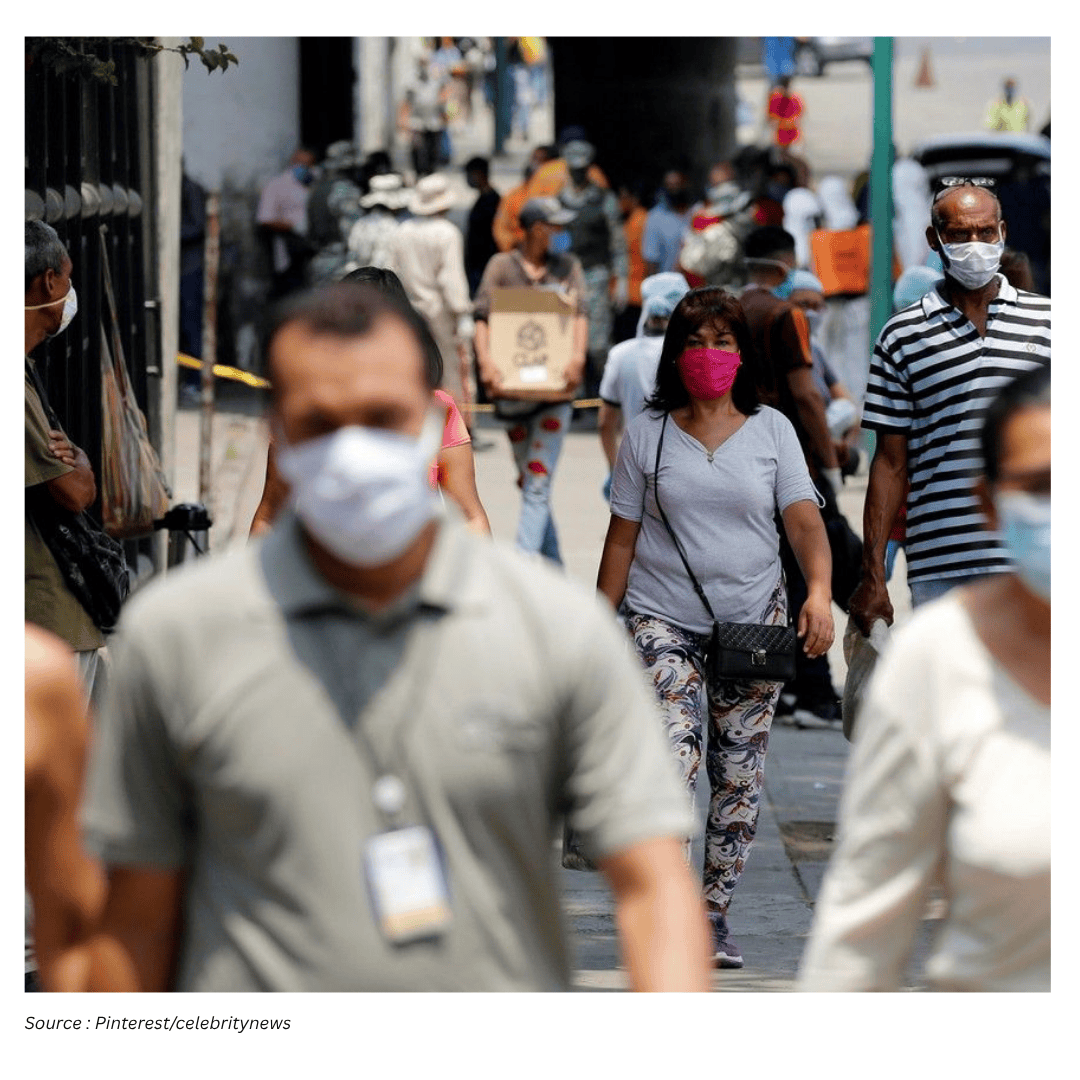
Medicaid After the Pandemic: How State Renewal Policies Shaped Coverage Losses in the “Great Unwinding”
Medicaid enrollment climbed to a record high during the pandemic under continuous coverage rules, then fell sharply when eligibility checks resumed. Data from the “Great Unwinding” show that state administrative choices—especially around paperwork and automatic renewals—played a major role in who stayed covered.
1 / 2