
Other Insurance
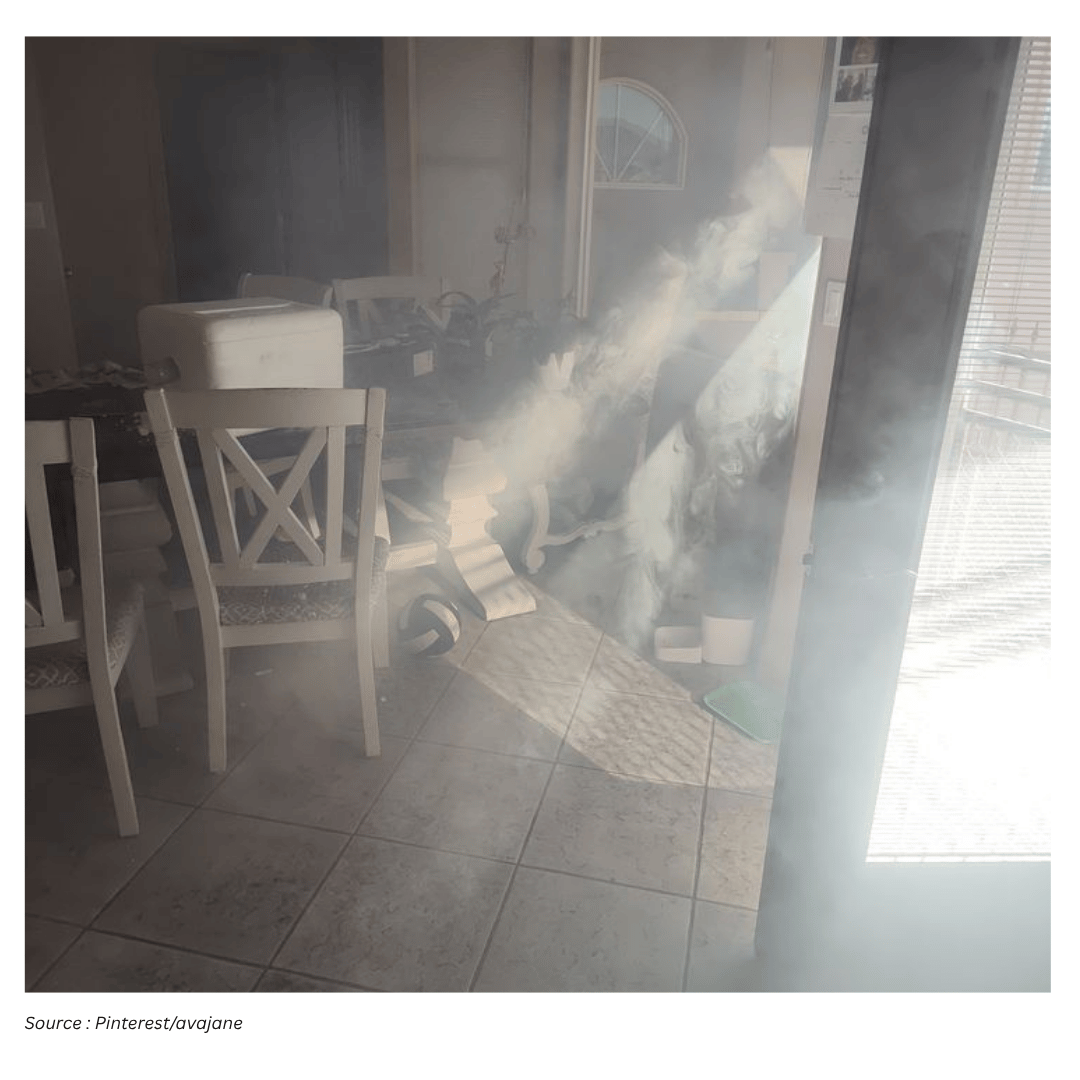
Queensland’s smoke alarm deadline nears, with many owner-occupied homes still needing upgrades
With a January 1, 2027 deadline approaching, a national provider estimates up to 1.2 million Queensland homes may still lack compliant interconnected photoelectric smoke alarms in required locations, raising concerns about awareness, costs and potential pressure on trades and supply.
TasInsure and the politics of promise management in Tasmania
Tasmania’s proposed TasInsure has shifted from a promised state-owned insurer to a not-for-profit statutory authority focused on advisory work and support for hard-to-insure activities. The change has reignited debate about election promises, public expectations, and how governments communicate policy pivots.

Melbourne nightclub runs without public liability insurance after premiums surge and insurers walk away
Pride of our Footscray, a community-backed nightclub in Melbourne’s inner west, has operated for two years without public liability insurance after repeated premium hikes and widespread insurer refusals. The venue’s experience is now part of a broader debate about rising claims costs, legal fees and the availability of cover for higher-risk businesses.

Tasmania reshapes TasInsure plan, shifting from state-owned insurer to oversight authority
Tasmania’s government has abandoned plans for a state-owned insurer and will instead create TasInsure as a not-for-profit statutory authority aimed at improving affordability and availability, with phased interventions and new advisory and comparison functions.

Queensland councils explore a community insurance mutual as flood-prone towns face soaring premiums
After residents in south-west Queensland reported home insurance quotes rising by hundreds of per cent—sometimes to tens of thousands of dollars a year—six councils are investigating a community-run insurance mutual aimed at improving affordability and access, particularly in areas exposed to flooding.

RACQ fights ASIC claim over renewal notices after public apology
RACQ has denied its insurance renewal notices misled customers, despite previously apologising and changing the practice after ASIC launched legal action. Court filings show the insurer arguing policyholders would have understood the “last period premium” figure, while ASIC says the notices failed to explain key adjustments.

Pet insurance complaints rise as owners question costs, cover and cancellations
Pet owners are reporting steep premium increases and disputed claims, with more cases reaching the Financial Ombudsman Service. Recent experiences highlight how policy wording, age-related pricing and claim conditions can shape whether bills are covered when treatment costs run into the thousands.

How to negotiate a better private health insurance deal as premiums rise
With average private health insurance premiums rising from April 1, households under cost pressure may be able to reduce costs without cancelling cover. Here are practical ways to review your policy, prepare for a call with your insurer, and compare alternatives while avoiding common financial pitfalls.

No Perfect Pet Insurance Policy Exists—But Six Providers Offer Clear Strengths
Pet insurance can reduce the financial shock of accidents and illnesses, but policies vary widely in pricing, exclusions, and how claims are handled. Here’s a practical framework for comparing plans—plus six insurers that stand out for specific reasons, from broad base coverage to direct vet payments and options for certain preexisting conditions.
Beyond Health Coverage: Why Americans Are Angry at Insurers and Three Reforms That Could Rebuild Trust
Public anger at insurers has intensified amid high-profile events and a steady stream of claim disputes. An insurance law scholar argues that frustration extends well beyond health coverage and outlines three reforms—clearer information, minimum standards, and stronger remedies—that could help restore confidence in insurance markets.
1 / 4