
Melbourne nightclub runs without public liability insurance after premiums surge and insurers walk away
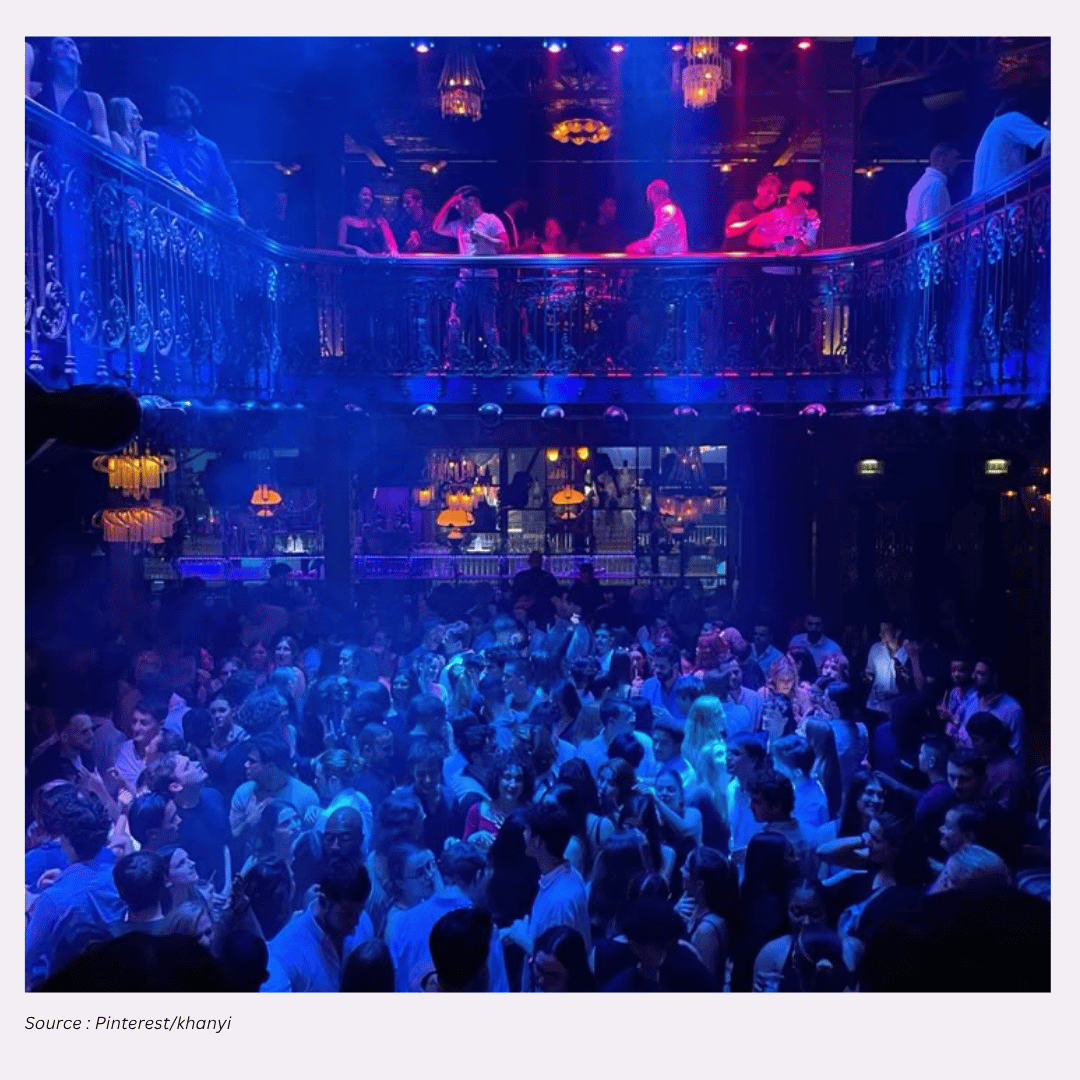
A venue that became a community fixture
Above a Vietnamese supermarket in the heart of Melbourne’s inner west, a small nightclub has spent years building a loyal following. Since opening in 2018, Pride of our Footscray has developed a reputation among patrons and staff as a welcoming, safe place to gather—particularly for members of the LGBTQIA+ community.
Owner Mat O’Keefe describes the crowd as a broad mix, saying the venue draws people across identities and backgrounds. The club’s programming reflects that community focus: poetry nights, live bands, queer film screenings, art classes, speed dating, comedy and trivia all feature on the calendar. Yet it is best known for its drag performances, which have helped define the venue’s place in Footscray’s nightlife.
The club has capacity for about 200 patrons and attracts visitors from across Melbourne and beyond. O’Keefe says people travel from suburbs including Narre Warren, Mornington and Kilsyth, as well as regional centres such as Bendigo, to attend events.
The business model is also unusual. O’Keefe holds a 50 per cent share, while 199 others own smaller stakes. He describes it as a cooperative-style effort, with about 200 people contributing to help establish the venue.
Drag performers and patrons rely on spaces like this
For artists, the venue is not just a social hub but a workplace. HollyPop, a full-time drag queen who has worked at Pride of our Footscray for four years, says the club has provided opportunities to perform and reach audiences she might not otherwise have found.
Her work depends on venues that can stay open and continue booking performers. She says that without spaces like Pride of our Footscray, she would lose income and places to perform.
Regular patrons also describe the club as irreplaceable. Venue regular Marzy Malyss calls it an institution and says it is one of the only gay venues in the western suburbs, making it particularly important for the local queer community.
O’Keefe says he has heard anecdotally that the venue has provided some trans people with their first night out after transitioning—choosing the club because of its reputation for being friendly. Manager Monique Anderson adds that if the venue closed, some patrons might not simply move on to another location; they may not feel comfortable going out elsewhere.
Public liability insurance: a safety net with high stakes
Public liability insurance is widely treated as a basic requirement for many businesses, including hospitality and entertainment venues. The logic is straightforward: if a patron is injured and makes a compensation claim, a single incident can create costs large enough to threaten a business’s survival.
For Pride of our Footscray, that risk is not theoretical. Despite having no history of claims, the venue has spent the past two years operating without public liability insurance—an arrangement O’Keefe describes as extremely stressful.
Anderson says the absence of cover keeps staff on “tenterhooks,” because any mishap could have serious consequences. The venue employs three security guards and emphasizes quick clean-ups, such as promptly mopping spills, to reduce the chance of injuries.
From $1,000 a year to quotes that threatened closure
The club’s insurance problems did not start with an isolated jump. In its early years, Pride of our Footscray’s annual premium was about $1,000. But over time, costs rose sharply.
When the venue’s liquor licence was extended to 3am in 2020, the premium increased to $6,270. Two years later, in 2022, the price rose again—this time to $43,010. O’Keefe says the increase was huge, but he paid it.
In 2024, the venue’s broker returned to the market for a new public liability policy. The broker approached 19 insurers. Eighteen declined to offer insurance at any price. The remaining company offered a premium of $142,890—an amount O’Keefe says would have cost him $157,179 in total once the cost of a loan to pay it was included. He says such a figure would have ended the business.
Not long after, O’Keefe stopped paying for public liability insurance. The venue has now operated for two years without it, with the landlord’s permission.
Pressure across the live music and nightlife sector
Pride of our Footscray’s experience sits within a broader pattern of insurance stress for entertainment venues. Sky-high premium hikes have been documented among similar-sized venues in Melbourne, including live music bars and clubs. Venue operators have described the period as grim, particularly for businesses that rely on crowds, late trading and live performance.
Industry representatives argue that the market has become difficult for venues to navigate, especially when insurers view certain operations as higher risk. For a small or medium venue, even a single year of dramatically increased premiums can reshape budgets, programming and staffing decisions.
Building insurance complications added another layer
The insurance difficulties were not confined to public liability. In 2023, the landlord’s insurer, WFI Insurance, refused to renew the building’s insurance policy. A spokesperson said the company does not insure buildings in which nightclubs operate due to “heightened risk exposures,” including fire and electrical hazards, and the potential for crowd density to impede fire response.
The landlord eventually found a new building insurer, with Pride of our Footscray paying the lion’s share of that cost. The situation illustrates how insurance challenges can spread across different policy types, affecting not only the business operator but also property owners and other tenants.
At one point, an insurer told the venue it would only renew building insurance if the nightclub shut at midnight and patrons remained seated—conditions that would fundamentally change how a nightclub operates.
Why premiums are rising, according to insurers
The Insurance Council of Australia (ICA) says rising claims costs and higher legal fees are key drivers behind increasing premiums. The council says these rising costs hit hardest in higher-risk industries, listing live music venues, festival operators, caravan parks and amusement venues among those most affected. The ICA also points to “outdated laws” as a factor that can push cover further out of reach.
For venue operators, these explanations can feel distant from day-to-day realities. But they help explain why a business with no claims history can still face steep increases, limited options, or outright refusals when seeking cover.
A federal inquiry examines small business insurance
The federal government has been running hearings for an inquiry into small business insurance. The inquiry has taken submissions from insurers, businesses and other stakeholders. Pride of our Footscray has detailed its insurance difficulties to the inquiry and has called for a government insurance scheme.
As part of the broader discussion, industry groups have also been putting forward proposals. The Australian Live Music Business Council has argued that a small number of large claims during the COVID years wiped out the premium pool in the entertainment industry and removed profitability for underwriters. Board member Andrew Bassingthwaighte says that, as a result, the industry has effectively decided the sector is too risky and has left the market.
The council has also told the inquiry it wants rules for compensation claims strengthened. It argues patrons should have to tell a venue if they are injured straight after the incident occurs.
Risk mitigation tools and the push to look “insurable”
In response to the insurance squeeze, some in the industry are focusing on how venues can demonstrate safety practices more clearly. The Australian Live Music Business Council has co-created an app, FM Track, designed to help venue managers detail safety measures and mitigate injury risk—information that could help venues present themselves in the best possible way to insurers.
For venues operating without public liability insurance, risk mitigation is not just a compliance exercise; it becomes a daily operational priority. Anderson’s description of staff being on high alert reflects how the absence of cover can change the culture of a workplace, even when no incident has occurred.
The broker question: commissions, incentives and new models
Entertainment venues generally apply for insurance through a broker, and the broker’s role can become central when options are limited. In Pride of our Footscray’s case, O’Keefe’s broker approached 19 insurers in 2024 and received refusals from 18.
More recently, O’Keefe was invited to submit an application by a company he had not previously heard of, Luma Insurance Brokers. Luma launched in 2025 and has 120 clients, with about half being music venues. The company said it had not yet provided a quote to Pride of our Footscray, but expected it could source one for less than $50,000.
Luma broker David Grainger argues that typical broker commission structures can create perverse incentives. He says many brokers build a 10 to 30 per cent commission into premiums, while his company charges a fixed hourly rate. In his view, a system where a broker’s income rises with the premium can be problematic for clients seeking the lowest sustainable cost.
O’Keefe, however, recalls the cost breakdown in the $142,890 quote received in 2024 from his broker, Arcuri and Associates, and says the commission was fair at about 10 per cent. The exchange highlights a tension in the market: venues need expert help to find cover, but they also need confidence that the process is transparent and aligned with their interests.
Operating without cover: a stressful compromise
With the landlord’s support, Pride of our Footscray has continued trading without public liability insurance. That decision has kept the doors open, but it has not removed the underlying risk.
O’Keefe says the period has been extremely stressful. Anderson says the possibility of an incident and subsequent claim hangs over staff and management. The venue’s approach—security presence, rapid clean-ups, and heightened vigilance—shows how businesses may attempt to compensate operationally for what they cannot secure financially.
The club’s situation also demonstrates how insurance availability can shape the character of nightlife. Requirements such as earlier closing times or seated patrons may reduce risk in an insurer’s eyes, but they can also undermine the fundamental nature of a nightclub and the community role it plays.
What Pride of our Footscray’s story illustrates
At its core, the case of Pride of our Footscray is about more than one venue’s balance sheet. It is about how a small business with a strong community identity can be pushed into operating without a standard form of protection, not because it chooses to take shortcuts, but because the market may not offer viable options.
It also underscores the stakes of the current policy debate. Insurers cite rising claims costs and legal fees, while venue operators and industry groups point to the shrinking pool of underwriters and the impact of a few large claims on the sector. The federal inquiry into small business insurance has become a focal point for these competing perspectives.
For performers like HollyPop, patrons like Marzy Malyss, and managers like Anderson, the outcome is not abstract. The ability of venues to secure affordable cover can determine whether stages remain available, whether staff retain jobs, and whether communities—particularly those who may not feel comfortable elsewhere—continue to have places where they feel safe.
Key figures and facts from the venue’s insurance timeline
- Opened in 2018 and developed a reputation as a welcoming venue in Footscray.
- Capacity is about 200 patrons.
- Early public liability premium was about $1,000 per year.
- Premium rose to $6,270 after a 3am liquor licence extension in 2020.
- Premium rose to $43,010 in 2022.
- In 2024, a broker approached 19 insurers; 18 declined to offer cover at any price.
- The remaining offer was a $142,890 premium, which the owner says would total $157,179 with loan costs.
- The venue has operated for two years without public liability insurance, with the landlord’s permission.
- In 2023, the landlord’s insurer refused to renew building insurance due to heightened risk exposures associated with nightclubs.
As the inquiry continues and the market searches for workable models, Pride of our Footscray remains open—serving drinks, hosting drag and live events, and managing the daily tension of operating without a key safety net that many businesses take for granted.