
Private health rebate cuts for over-65s: fairness argument meets affordability fears
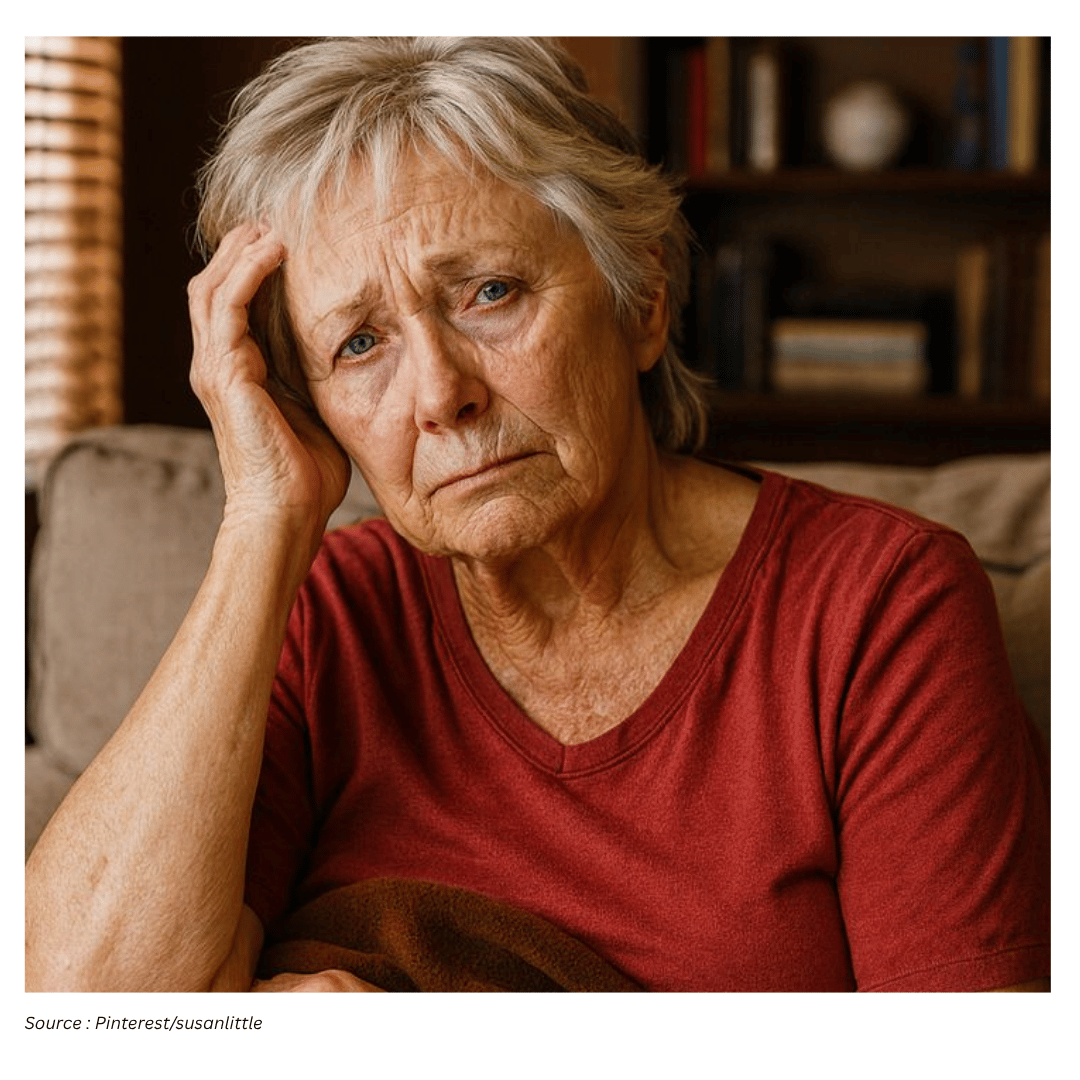
Older Australians are voicing concern about a federal government plan to reduce private health insurance rebates for people aged over 65, a change the government says is designed to restore fairness between generations. Advocates for seniors and some state representatives, however, warn the proposal could make private cover unaffordable for more people and ultimately increase demand on already stretched public hospital systems.
The changes would need legislation to pass the federal parliament, and the opposition has already indicated it does not support the move. That parliamentary hurdle means the policy remains contested, even as the government argues the savings are needed for other health and aged care priorities.
A long-time policyholder feels the squeeze
For disability pensioner Denise Peters, private health insurance is not an abstract policy discussion. She has held private cover for 47 years and describes it as “like a security blanket”. Over time, she says it has helped pay for major procedures including a hip replacement and two knee replacements, as well as other surgeries.
Ms Peters lives alone and is determined to keep her private health insurance even if rebates are reduced. But she says doing so will be difficult. She is already going without meals, often eating only soup, and is preparing for her food budget to tighten further if her insurance costs rise.
Her situation illustrates one of the central tensions in the debate: while the government is presenting the change as a broad fairness measure, individuals on fixed incomes say they have little room to absorb higher premiums.
What the government is proposing
Ahead of the budget, the federal government announced that older Australians would see a reduction in their private health insurance rebates, bringing them into line with people under 65. The government has argued the move will “re-establish fairness across the generations”.
Under the proposal, about 3.2 million older people would pay, on average, between $226 and $255 more per year. The government expects around 44,000 older Australians to drop their private health insurance as a result.
In selling the policy, Health Minister Mark Butler has pointed to the history of higher rebates for older Australians. Speaking at the National Press Club, he said those higher rebates were introduced by the Howard government in 2004 during the China boom. “In 2026, that’s a policy that’s harder to defend,” he said.
How the savings would be used
The government has said the rebate changes would save about $3 billion over the forward estimates, or $11 billion over about a decade. Those savings are intended to fund an extra 5,000 aged care beds and at-home aged care supports.
This budget framing is central to the government’s argument: the policy is not only about aligning rebates across age groups, but also about redirecting funding to aged care services.
“Boomer bashing” and the politics of fairness
Despite the government’s emphasis on intergenerational fairness, not all older Australians accept the way the policy has been described. National Seniors Australia chief executive Chris Grice said the rhetoric has been damaging.
“The general narrative of the government around baby boomer bashing hasn’t been helpful. There’s a lot of goodwill that’s been lost with older Australians and the government,” Mr Grice said.
He argues many older Australians cannot afford the reduction in rebates and warns that people will leave private health insurance as costs rise. In his view, that outcome would not help either older or younger Australians if it increases pressure on public services.
National Seniors Australia has also provided an estimate of what the changes could mean for some households. It said a gold-level hospital policy for a couple aged over 70 costing $7,000 would increase by $830 per year as a result of the changes.
Premium rises add to cost pressures
The debate is unfolding against a backdrop of rising private health insurance premiums. Premiums are set to rise at their fastest rate in almost a decade after the federal government approved a 4.41 per cent average increase from April. There was also an increase of around 4.41 per cent on private health insurance premiums in April this year.
For households already struggling with budgets, the combination of premium increases and a rebate reduction could be significant. Advocates argue that when costs rise across multiple fronts, the people most likely to respond by dropping cover may be those least able to pay—potentially including retirees and pensioners.
Mr Grice said the likely consequence is that people will “move away from private health insurance”, which he believes will “impact our systems”. His argument is that if fewer older Australians hold private cover, more will rely on public hospitals for procedures and treatment.
State concerns: pressure on public hospitals
State governments have raised concerns about the potential flow-on effects for public hospitals. Tasmania has been highlighted as a jurisdiction particularly sensitive to changes in private health coverage because it has the oldest population in the country and higher incidences of chronic disease.
Tasmanians already face long wait times for elective surgeries in public hospitals, and there are fears demand could increase further if more people drop private insurance.
Bridget Archer said the issue has been raised in negotiations linked to the national health reform agreement and remains unresolved. The underlying concern is that if private coverage falls, states may face higher costs and more pressure on public hospital capacity.
What health economics experts are watching
Health economist Zanfina Ademi, the head of Health Economics at Monash University, said the move makes sense from a federal budget perspective. But she urged caution when considering the broader health system impacts.
Professor Ademi said there could be costs associated with people dropping private health insurance and not taking preventative or timely healthcare measures. “There is a risk that conditions are managed later, when they are more complex and more expensive to treat, which might further burden the public health system,” she said.
That warning aligns with concerns raised by advocates and some state representatives: even if the federal budget benefits from lower rebate spending, the overall system could face new costs if care is delayed or shifted to public hospitals.
The parliamentary path: legislation and opposition
The rebate changes require legislation, meaning the government must secure parliamentary support to implement them. Shadow Health Minister Anne Rushton has spoken out against the proposal and indicated the Liberals oppose the change.
If the Liberals were to block the changes in the Senate, they would need the Greens and at least four crossbenchers to succeed. That arithmetic underscores the political uncertainty around whether the measure can pass in its current form.
In parliament, Mr Butler described the decision as “difficult” but said the savings were needed. The government’s position is that the policy is a necessary trade-off to redirect funds to aged care and align rebate settings across age groups.
What the debate is really about
At its core, the dispute is not simply about whether older Australians should receive a higher rebate than younger people. It is also about what happens to the health system when incentives shift, and who bears the immediate cost of change.
Affordability for older Australians: Some older policyholders, including those on pensions, say even modest annual increases are difficult to absorb, particularly when combined with premium rises.
Intergenerational fairness: The government argues a higher rebate for older Australians is harder to justify now and that aligning settings is fairer across age groups.
System-wide impacts: Advocates, states and experts caution that if people drop private cover, public hospitals could face additional demand and costs—especially for elective surgery and chronic disease management.
Budget priorities: The government has linked the savings to funding aged care beds and at-home supports, framing the change as a reallocation within health and care spending.
Political feasibility: With legislation required and the Liberals opposed, the final outcome depends on parliamentary negotiations and Senate numbers.
What comes next for policyholders
For older Australians trying to plan household budgets, the uncertainty adds another layer of difficulty. The government has provided an estimate of the average annual increase older people would face and how many may leave private cover, but the proposal still needs to clear parliament.
For people like Ms Peters, the debate is immediate and personal: she wants to keep her private health insurance because of the role it has played in past surgeries and her sense of security. Yet she is already cutting back on food and expects further tightening if costs rise.
The government says the changes are about fairness and funding priorities, while critics argue the policy risks pushing vulnerable older Australians out of private cover and shifting costs elsewhere in the system. As the legislation is debated, the competing claims—budget savings, generational equity, affordability, and public hospital capacity—are likely to remain at the centre of the national discussion.