
Queensland’s smoke alarm deadline nears, with many owner-occupied homes still needing upgrades
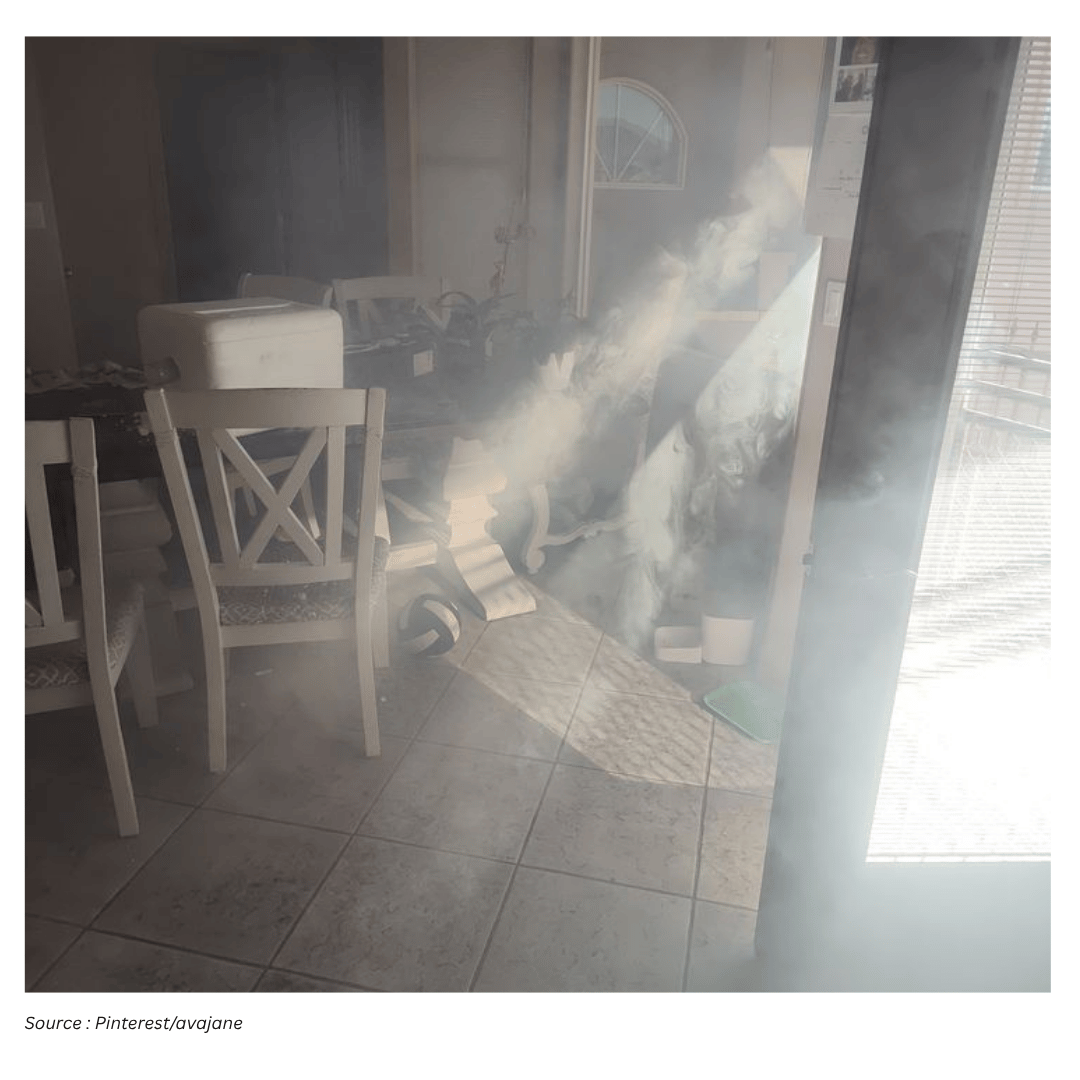
A deadline that will affect almost every Queensland household
Queensland’s smoke alarm rules are moving into their final stage, and the countdown is now a practical concern for many home owners. From January 1, 2027, all homes in the state must be fitted with interconnected, photoelectric smoke alarms in every bedroom and hallway. The requirement is not limited to traditional houses: it will also apply to owner-occupied dwellings including caravans and motorhomes.
While the legislation has been introduced in stages since 2017, the last phase captures the largest remaining group—owner-occupied properties that have not yet been required to upgrade under earlier triggers such as new builds, rental arrangements or property sales. With less than a year until the rules take effect, some in the industry are warning that many households still do not realise what is required, or how much work may be involved to meet the standard.
Personal experience driving a push for better safety
For Townsville resident Brandon Lewis, the issue is not abstract. He lost everything in a house fire in 2014, an experience he says remains raw more than a decade later. He recalls arriving to find the property “engulfed in flames,” a scene that felt unreal at the time.
In his case, neighbours heard the home’s smoke alarms sounding and alerted him to the blaze. The fire was electrical in origin, and Mr Lewis says that has stayed “front of mind” in his work ever since. He now installs smoke alarms as part of his electrical business in North Queensland, motivated by a desire to help other families avoid similar loss.
As the deadline approaches, Mr Lewis is concerned that many home owners do not yet understand the new requirements, or assume they are already compliant because they have one or two alarms installed.
What the law requires from January 1, 2027
The upcoming requirements focus on two key features: smoke alarms must be photoelectric, and they must be interconnected. The placement is also specific: alarms are required in every bedroom and hallway. Interconnection is designed so that when one alarm activates, others sound as well—an approach intended to provide the earliest possible warning throughout a home.
These changes have been rolling out for years, with earlier phases applying to categories such as new builds, rental properties and homes being sold. The final stage is the broadest, applying to all remaining owner-occupied properties that have not yet been upgraded under those earlier triggers.
How many homes may still be non-compliant
Smoke Alarm Solutions, a national company, estimates the scale of the remaining task is substantial. It put the share of owner-occupied homes still not meeting the new standards at around 70 to 80 per cent, translating to an estimated 1.2 million Queensland properties needing upgrades within six months.
National sales manager Maryke Olivier-Nelson said many people mistakenly believe they are compliant simply because they have installed some alarms. In her view, that assumption is often incorrect because the new rules require more alarms in more locations than many households currently have.
Her warning is straightforward: most homes will require more than “one or two alarms” to meet the standard, and time is running out for households that have not yet planned the work.
Why the rules were introduced
The smoke alarm changes were designed to improve fire safety, and they were introduced following the 2011 Slacks Creek house fire in which 11 people died. The policy intent is to reduce the risk of fatalities by ensuring people receive earlier warning and have more time to wake and evacuate.
Queensland Fire Department Superintendent Mark Halverson said interconnected smoke alarms would significantly improve survival rates. He described early warning as “the real key,” because it gives occupants time to wake up and safely leave the building.
Superintendent Halverson also said authorities hoped a “comprehensive education campaign” in the months ahead would address gaps in community awareness—an acknowledgement that, despite the staged rollout, not everyone understands what is required or when it must be done.
Awareness gaps: many people only learn when selling
One of the clearest indicators of limited awareness is when households first discover the requirements. Townsville electrician Tom Vawdry said many home owners only learn about the rules when they are selling their property, often late in the process.
He said it is commonly when contracts are being prepared and lawyers request a compliance certificate that owners realise they need upgrades. That timing can compress decision-making into a short window, leaving little room to compare options, book trades or manage costs.
With the final deadline applying broadly across the state, the risk is that a similar “last-minute rush” could occur on a much larger scale, potentially affecting scheduling, pricing and availability.
Cost expectations and the temptation to cut corners
Typical upgrades for a four-bedroom home could cost about $800 to $1,000 when installed by a professional. For many households, that is a meaningful expense—particularly at a time when cost-of-living pressures are widely felt.
Ms Olivier-Nelson cautioned against do-it-yourself approaches aimed at saving money, especially if they lead to the installation of cheaper or incorrect alarms. The risk, she said, is that homeowners may believe they have addressed the issue but still end up non-compliant.
Her advice was framed in terms of priorities: safety and “your family’s lives” are not an area where she believes people should try to save money if it compromises compliance or performance.
Concerns about supply and trade capacity
Beyond awareness and cost, there are practical questions about whether the market can deliver the required upgrades smoothly as the deadline approaches. Electricians anticipate there could be supply and trade shortages as the broader public catches up with the new rules.
That concern reflects the scale of the estimated remaining work. If a large share of owner-occupied homes seeks upgrades in a short period, demand for compliant alarms and qualified installers could rise sharply. For households, that could mean longer wait times to secure appointments, reduced flexibility in scheduling, and potentially more stress as the deadline nears.
For trades, it could mean an intense period of demand, particularly if many people delay action until the final months.
Insurance considerations: “reasonable steps” and claim scrutiny
The Insurance Council of Australia has pointed to another factor home owners may need to consider: how compliance interacts with insurance obligations. According to the council, most general home insurance policies include reference to an obligation on the policyholder to take all reasonable steps to prevent loss, theft or damage to their property.
The council said that if a policyholder makes a claim involving fire damage, an insurer may look at whether lack of compliance with the new laws contributed to the fire damage. This does not mean every claim will be handled the same way, but it underlines the possibility that compliance could become a question during assessment, particularly after the new requirements take effect.
For households, the practical implication is that smoke alarm upgrades are not only a legal requirement with a deadline; they may also be relevant to how insurers evaluate risk management and responsibility after an incident.
What “interconnected” and “photoelectric” means in practice
While many people are familiar with the idea of a smoke alarm, the new standard is more specific than what is installed in many homes today. Interconnected alarms are designed to communicate with each other so that when one detects smoke and sounds, the others also activate. In a multi-room home, this is intended to help ensure an alarm can be heard quickly from bedrooms and other areas, even if the fire starts far from where people are sleeping.
Photoelectric alarms are a defined type of smoke alarm technology required under the legislation. The key point for home owners is that not all alarms on the market will meet the standard, and compliance depends on both the type of alarm and where it is installed.
Because the law also specifies placement—every bedroom and hallway—compliance is not achieved simply by buying a compliant device. The number of alarms and their locations matter.
Why early action may matter for households
With seven months remaining until the deadline cited in the lead-up to the final stage, the difference between acting early and acting late may be felt in practical ways. Households that plan ahead may have more choice about appointment times and may avoid the pressure that can come with a last-minute rush.
They may also have more time to understand what their home requires under the rules, rather than discovering late that additional alarms are needed in bedrooms and hallways, or that interconnection changes the scope of the job.
Even for owners who believe they are already close to compliant, the industry message is that assumptions can be misleading. The new standard is more comprehensive than what many people have installed, and the final stage will apply broadly across the state.
Key points for Queensland home owners
From January 1, 2027, all Queensland homes must have interconnected, photoelectric smoke alarms in every bedroom and hallway.
The final stage applies to owner-occupied homes and also includes caravans and motorhomes.
A national provider estimates 70 to 80 per cent of owner-occupied homes may still be non-compliant, equating to about 1.2 million properties needing upgrades.
Electricians anticipate potential supply and trade shortages as demand increases closer to the deadline.
Typical professional upgrades for a four-bedroom home could cost $800 to $1,000.
The Insurance Council of Australia says insurers may consider whether non-compliance contributed to fire damage when assessing a claim.
A safety upgrade with little room for misunderstanding
The final stage of Queensland’s smoke alarm laws is approaching at a time when many households are balancing competing financial pressures and may not be closely tracking regulatory changes. Yet the requirements are clear, and the scale of the estimated remaining work suggests many homes have not yet taken the steps needed to comply.
For those working in the field, including electricians like Brandon Lewis and Tom Vawdry, the concern is not only about meeting a deadline. It is about ensuring home owners understand that compliance is more than having a smoke alarm somewhere in the house. The standard focuses on interconnected, photoelectric alarms and on placement in every bedroom and hallway—details that can easily be missed without careful attention.
For fire authorities, the goal is improved survival through earlier warning. For insurers, the issue may intersect with expectations that policyholders take reasonable steps to prevent damage. And for households, the decision ultimately comes down to acting in time, choosing the correct equipment, and ensuring the installation meets the legal requirements before the deadline arrives.