
As concussion cover shrinks, athletes face a growing protection gap
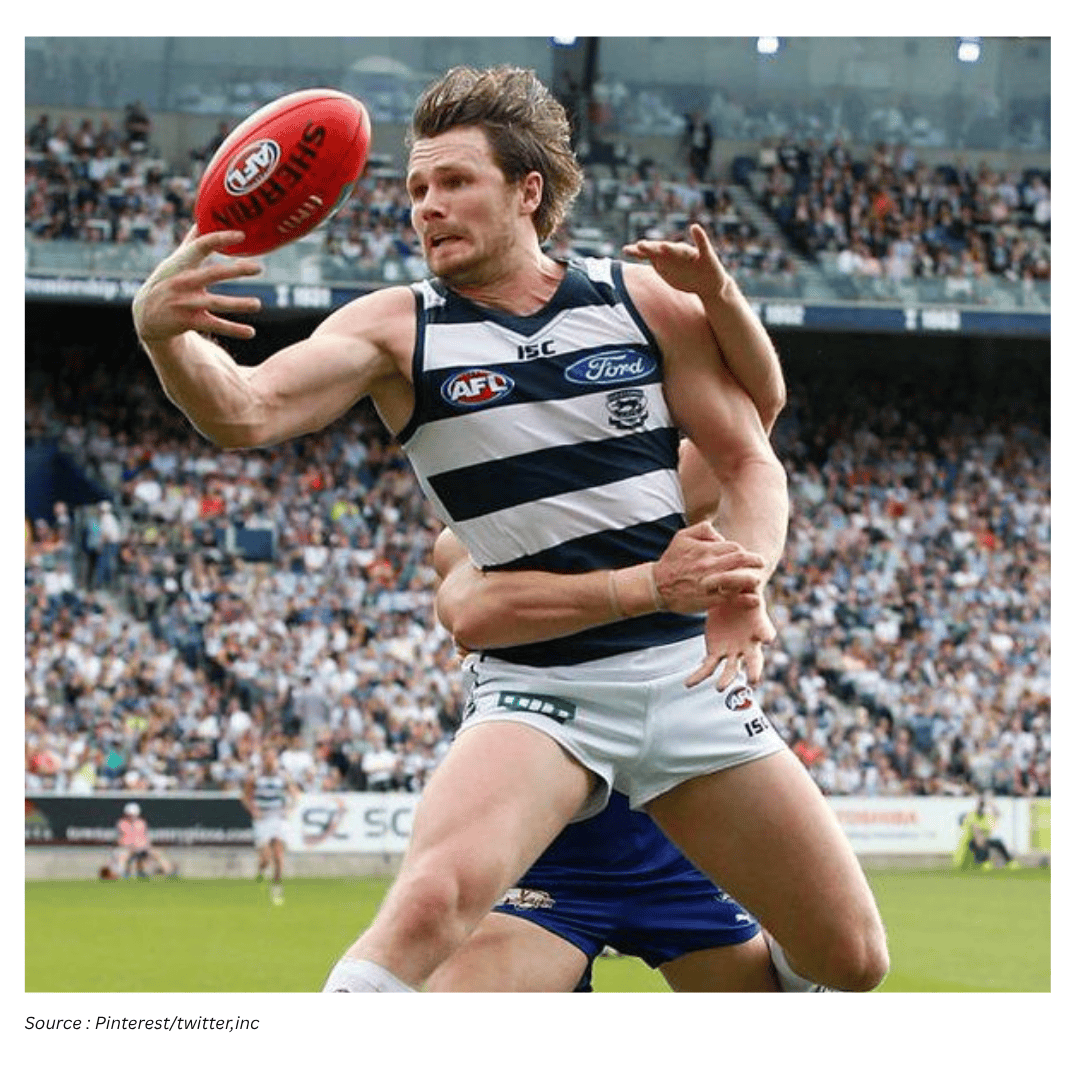
A shift in concussion insurance is forcing hard questions
A decision by a leading insurer to exclude concussion and head trauma from a key form of disability cover has sharpened concerns about who ultimately carries the long-term costs of sport-related brain injury. While the immediate change affects a defined group of elite players, the underlying issue reaches far beyond one competition: if insurers increasingly treat concussion risk as uninsurable, athletes and sporting organisations may be left relying on a patchwork of private schemes, public health systems, and—more often—legal action.
The move has also raised a broader policy question for Australia: whether concussion and repeated head trauma should continue to be managed largely within individual sports and private insurance markets, or whether a more coordinated approach is needed to protect athletes across professional, community and junior levels.
What changed for AFL and AFLW players
In March, Zurich Australia announced exclusions for concussion and head trauma for professional players who held total and permanent disablement (TPD) insurance through the AFL Players Association superannuation fund. The trustee for that fund is AMP. Under the change, no TPD benefit will be payable for football-related brain injury, including concussion and chronic traumatic encephalopathy (CTE).
The practical consequence is that, from May 1, an AFL or AFLW player who does not have their own private TPD insurance will need to look elsewhere for support if they suffer cognitive impairment linked to their playing career. The exclusion is specific to this TPD arrangement, but it has amplified anxieties about the direction of travel in sports insurance more broadly.
Why an insurer might walk away from this risk
Zurich has said it is the only insurer offering this type of coverage to AFL and AFLW players, pointing to a reduced appetite among insurers and underwriters to cover these injuries. Media reports have suggested the insurer is concerned about a higher-than-expected volume of claims paid since coverage commenced in 2020, including several seven-figure payouts.
Another factor cited is the uncertainty associated with brain injuries and the desire to limit liability in high-contact sports. Concussion and related conditions can involve complex medical trajectories and long time horizons, which can make pricing and reserving difficult for insurers. At the same time, litigation related to concussion and head trauma is rising and is widely viewed by insurers as an accelerating legal risk.
In that context, insurers have responded by withdrawing or excluding head injury cover from TPD insurance. The effect is that concussion risk is increasingly being treated as uninsurable, rather than governable—an approach that places pressure on sports and players to find alternative protections.
What options remain for players
With the exclusion in place, players without separate private TPD cover may have to rely on league and players association arrangements. The AFL, via its players association, offers a “severe injury benefit” providing financial support of up to $600,000 to eligible AFL and AFLW players who suffer cognitive impairment caused by their playing career, including impacts of traumatic brain injuries.
However, a capped payment of this kind is not comparable to the financial security previously available through Zurich’s TPD cover. There are also concerns about the discretionary nature of private schemes and whether the level of funding is sufficient to meet the number and size of potential claims over time.
For now, these privately funded arrangements function as a stopgap. But the broader question remains: if private insurance retreats, what sustainable structure replaces it?
A contrast with the NRL’s approach
Different sports have different systems, and the contrast with rugby league is instructive. Unlike AFL players, NRL players do not appear to have access to a single default insurance arrangement. Instead, the league and its players association operate two funds: a “past player medical support fund” and a “player hardship fund”.
There is limited publicly available information about the nature and scope of these funds. Even so, the existence of multiple funds underscores a broader reality: athlete support models can vary substantially between codes, and the details of eligibility, funding and benefits can be difficult to assess from the outside.
Why workers compensation doesn’t fill the gap
For most Australian workers, state-based workers compensation schemes such as WorkCover provide no-fault insurance that covers medical costs and replaces part of a worker’s income when they are injured because of their job. But most professional athletes are excluded from these schemes.
This exclusion was highlighted during a 2023 Senate inquiry into concussions and repeated head trauma in contact sports. Without access to workers compensation, professional athletes can find themselves in a more precarious position than many other workers when it comes to long-term injury costs—particularly where the injury is complex, delayed, or hard to attribute to a single incident.
Community and junior sport: the downstream concern
Although the Zurich decision affects a specific TPD benefit for elite AFL and AFLW players, it has prompted concern about wider spillover effects. Any move to reduce or exclude sport-related concussion cover could lead other insurers to review their own exposure, including cover linked to community and junior sport.
This matters because concussion and head injuries often first occur during youth participation, and early mismanagement can increase the risk of long-term health consequences. If insurance settings harden at the top of the system, the fear is that the consequences could be felt across the broader participation base.
The stakes are not only financial. As cautioned in a 2023 submission to the Senate inquiry by the Insurance Council of Australia, “no insurance means no sport”. For many clubs and competitions, insurance is a practical prerequisite for participation, facility access, and organisational survival.
How other countries organise responsibility for head injury risk
International comparisons show that the allocation of responsibility for head injury risk is not fixed. Different jurisdictions treat the problem as a private market issue, a public social risk, or a hybrid—often paired with prevention programs designed to reduce injuries and stabilise costs.
A useful comparison can be found across three rugby heartlands of the southern hemisphere: Australia, New Zealand and South Africa.
Australia: basic cover, capped benefits, and rising legal exposure
In Australia, registered rugby players at all levels are covered by a national risk management and insurance program. The injury cover is described as basic and capped. Importantly, it does not cover long-term head injury risk.
As a result, the future costs associated with concussion tend to fall across a mix of private insurance, public health systems and, increasingly for professional players, the courts. With litigation related to concussion and head trauma rising, insurers view the legal environment as a growing risk factor—one that can feed back into decisions to exclude cover or withdraw from certain products.
Australia’s concussion governance is also described as largely decentralised. Individual codes are responsible for concussion protocols within their competitions and pathways, rather than operating under a single national prevention and management framework.
New Zealand: a publicly pooled model with prevention built in
New Zealand takes a fundamentally different approach. Through its no-fault Accident Compensation Corporation, head injuries are treated as a publicly pooled social risk, with coverage described as automatic and universal.
The compensation corporation works alongside sport through SportSmart, a national injury prevention program developed by academics, clinicians and sporting organisations. In this system, litigation is largely replaced with guaranteed medical care, rehabilitation and income support. Prevention is not just a public health goal; it becomes a direct tool for protecting the sustainability of the insurance pool.
South Africa: a partnership model with mandated safety measures
South Africa sits between the Australian and New Zealand models. It does not rely on a public insurer in the same way as New Zealand, but it operates in partnership with a private insurer and incorporates BokSmart, a national safety program.
BokSmart mandates education, enforces evidence-based laws and applies strict return-to-play protocols across all levels. Litigation is possible in South Africa, but it remains uncommon. The model illustrates another pathway: combining insurance arrangements with system-wide safety governance to reduce injury incidence and manage long-term risk.
What the Zurich decision signals for the market
Zurich’s exclusion does not, by itself, determine the future of sports participation or the viability of professional leagues. But it is a clear signal that the private insurance market is reassessing the balance of risk and reward in concussion-related cover.
When insurers cite uncertainty, rising claims, and legal exposure, they are also highlighting a data and governance challenge. Without clearer information about long-term exposure and outcomes, and without consistent prevention and management systems, it becomes harder to price risk and maintain sustainable cover.
This is why the decision is being read as more than a contractual adjustment. It is a stress test of the existing model for funding and managing brain injury risk in sport.
Potential directions: partnerships, data, and prevention across all levels
One proposed direction is stronger partnerships between sporting organisations, insurers and governments to improve how head injury risk is understood and managed. A key practical step would be pooling more injury surveillance data so stakeholders can develop a clearer picture of long-term exposure and emerging trends.
Better data could support more informed decisions about preventing harm, designing policy, and managing risks. It could also help clarify where the greatest exposures sit—whether in elite competition, in training environments, or in youth pathways—and what interventions are most effective.
This approach is likely to be most effective if it extends down to community and junior sport. Early injuries, and the way they are handled, can shape long-term outcomes. If prevention and management are treated as system-wide responsibilities rather than code-by-code issues, the broader insurance and health impacts may become easier to manage.
Key takeaways for athletes, clubs and policymakers
The immediate impact is narrow but significant: the exclusion applies to a specific TPD benefit for elite AFL and AFLW players, removing payouts for football-related brain injury including concussion and CTE.
Alternative supports exist but may be limited: the AFL’s “severe injury benefit” can provide up to $600,000 for eligible players with cognitive impairment, but it is capped and not equivalent to prior TPD protection.
Professional athletes often lack workers compensation coverage: most are excluded from state-based schemes such as WorkCover, leaving fewer safety nets for long-term injury impacts.
Insurance settings can affect participation: concerns extend to community and junior sport, where broader reductions in concussion cover could prompt insurers to reassess products and affordability.
International models show different choices are possible: New Zealand’s publicly pooled, no-fault system and South Africa’s structured safety program illustrate alternatives to a largely decentralised approach.
The unresolved question: who ultimately pays?
At its core, the debate triggered by Zurich’s decision is about allocation: whether the long-term costs of sport-related concussion should be borne by individual athletes through private insurance, by sporting organisations through discretionary funds, by public systems through healthcare and income supports, or by defendants through litigation.
As insurers narrow coverage and legal risk rises, the pressure to clarify that allocation will grow. The most durable solutions are likely to be those that combine financial protection with better prevention and clearer governance—particularly if they reach beyond elite sport to the community and junior levels where many head injuries first occur.