
Underinsurance after disasters: why it deepens hardship and what could make cover work better
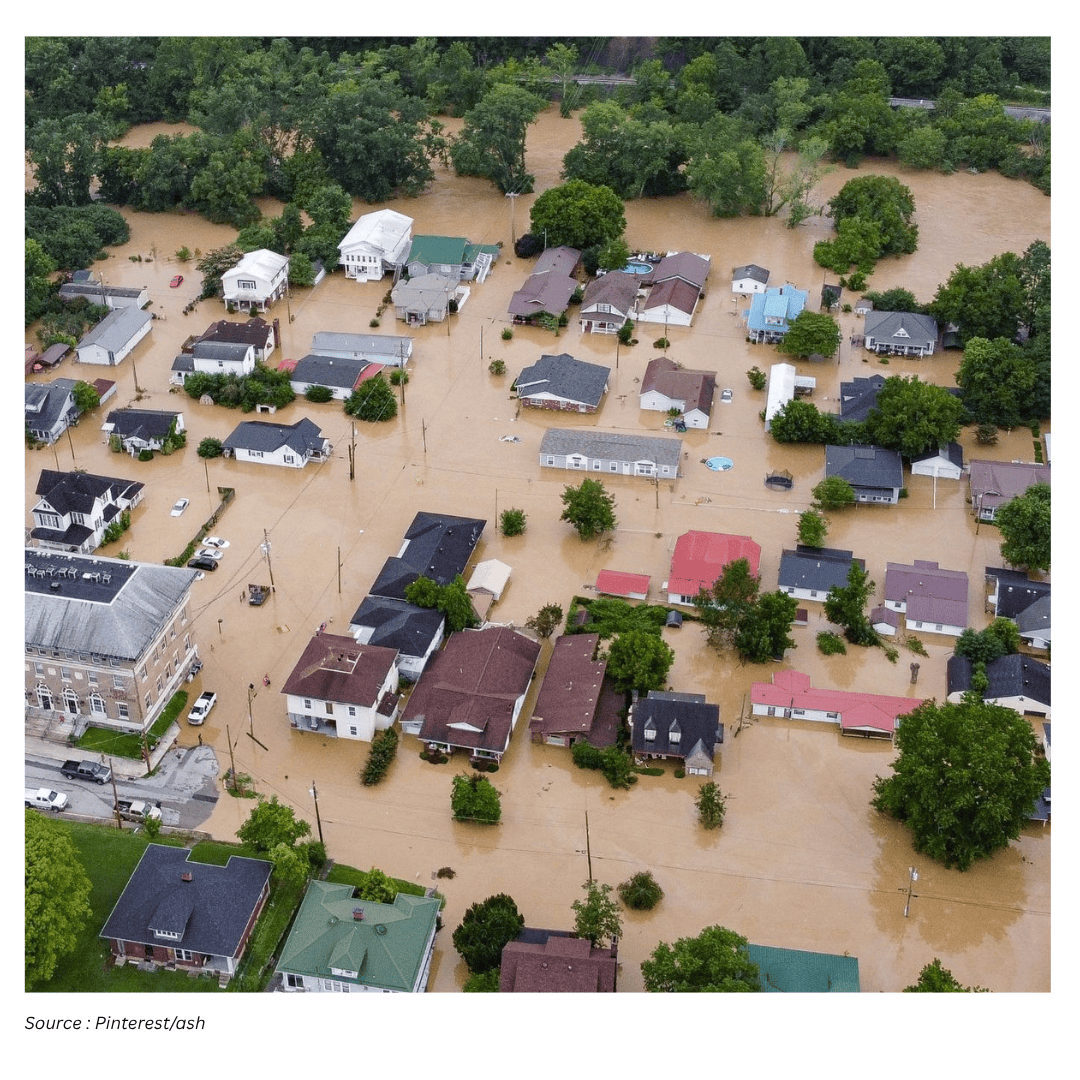
Disaster losses can quickly become financial crises
When disasters destroy homes and disrupt lives, the immediate damage is only the beginning. The weeks and months that follow can bring a second wave of pressure: repair bills, replacement costs, temporary accommodation, and the administrative burden of trying to re-establish a normal life. In these moments, insurance is often assumed to be the primary safety net. Yet after major events, insurance is not always there in the way people need—or in the way they expected it to be.
Recent bushfires in Western Australia destroyed more than 70 homes, leaving those affected facing enormous costs. Such events highlight a persistent challenge: underinsurance and non-insurance can turn an already traumatic experience into prolonged financial hardship. This is not simply a matter of individuals making poor choices. National research suggests that telling people to “get more insurance” is not necessarily the answer, because it does not address the reasons people are underinsured in the first place.
Underinsurance and poverty can reinforce each other
In Australia, where one in six children live in poverty, significant rates of underinsurance can entrench disadvantage and hardship. The burden is not evenly shared. People who are already vulnerable—because of income constraints, limited time, or living with higher risk—can be hit hardest when disaster strikes. The consequences are likely to worsen as the impacts of unmitigated climate change unfold, increasing the stakes of how insurance functions as part of a broader recovery system.
Underinsurance is often discussed as a technical problem—incorrect sums insured, missing policy features, or misunderstandings about exclusions. But it is also a social problem. When coverage is insufficient, households may be forced to take on additional debt, delay repairs, or go without replacement of essential items. In effect, underinsurance can deepen inequality by slowing recovery for those least able to absorb shocks.
How common is underinsurance?
Indicators of insurance gaps are substantial. Up to 10% of homeowners or mortgagees are without home insurance, and about 40% of renters are without contents insurance. These figures matter because the absence of insurance is not just a private inconvenience; it can reshape what recovery looks like for entire communities after fires, floods, and other disasters.
Even among those who do have insurance, the amount of cover may not match real-world rebuilding or replacement costs. Underinsurance can make a bad situation worse and make it harder to get back to normal after a disaster. The gap between what a household thinks it is covered for and what it actually costs to rebuild can be devastating, particularly when combined with the stress and disruption of displacement.
Why “just buy more insurance” misses the point
Public discussion after disasters can sometimes drift toward blame: if people suffer severe losses, the implication is that they should have insured themselves better. But research suggests underinsurance is often not a deliberate gamble. It can be accidental, driven by information gaps, complexity, and the sheer difficulty of estimating costs accurately.
To understand why, it helps to start with a simple question: what makes it hard for people to insure properly? The answers are varied, and they often overlap. They include uncertainty about risk, complicated insurer rules, fine print in online calculators, affordability constraints, and distrust of insurers based on past experiences or broader political perspectives about corporate power.
Accidental underinsurance: when estimates fall short
One of the most striking features of underinsurance is how easily it can happen without anyone intending it. After Victoria’s Black Saturday bushfires in 2009, one interviewee described the logic that seemed reasonable at the time: the property was purchased for a certain amount, and it felt plausible that rebuilding would cost a similar figure. The household insured the home for a set amount and contents for another amount, believing it would be enough to rebuild a life. It was not. The interviewee explained that the rebuilding process ended with a much larger mortgage than expected.
This experience illustrates a core challenge: it is hard for people to accurately calculate repair or rebuild costs. Construction costs can be difficult to anticipate, and the assumptions people use—based on purchase price or rough estimates—may not reflect the true cost of rebuilding after a disaster. Even when tools exist to help, such as online calculators, they come with their own fine print. For many households, working out the “right” sum insured is not a straightforward consumer task; it can feel like navigating a technical system without the necessary expertise.
Renters and contents insurance: a common gap with serious consequences
Renters face a distinct form of exposure. The building itself will probably be insured by the landlord, but renters may forego contents insurance. This can create a dangerous misunderstanding about what is covered when a disaster occurs. If a flood or fire damages personal belongings, or if temporary accommodation is needed, renters may discover that the protections they assumed existed are not part of the landlord’s building policy.
Following the Hobart floods in 2018, one renter described being without contents insurance when the rented home was flooded. The household asked about temporary accommodation and whether they would be supported until they found a new place to live. They were told this fell under contents insurance, which was their responsibility, while the house insurance covered the building itself. This is not a minor detail. In the aftermath of a disaster, temporary accommodation can be essential for stability, work, schooling, and health. Without the relevant cover, a household can be pushed into immediate financial strain.
Affordability and trade-offs: when budgets set the limit
Underinsurance is also tied to income. If you are on a lower income, you are more likely to be underinsured. This is not surprising: when budgets are tight, insurance competes with everyday necessities. Even when people understand that their cover is insufficient, they may have no realistic way to increase it.
One interviewee living in a bushfire-prone area described insuring contents to a relatively low amount despite having items that were irreplaceable and equipment of value. The decision was framed as a compromise: the household hoped the insured amount would be a “small kitty” sufficient to replace essential items. This kind of reasoning is practical in context. It is also a reminder that underinsurance can be a rational response to constrained circumstances, even though it leaves people exposed to major losses.
In these situations, simply encouraging people to buy more insurance does not solve the underlying problem. It does not create extra money in a household budget, and it does not change the trade-offs people are forced to make. Any serious attempt to reduce underinsurance must grapple with affordability as a structural issue, not merely a matter of consumer education.
Distrust and complexity: when people doubt insurance will pay out
Another reason people may go without insurance—or carry less than they need—is a lack of trust in insurers. This distrust can be based on previous experiences where a claim did not come through as expected. It can also be linked to political perspectives that question the power of large corporations.
One family described living without any house and contents insurance because they felt insurers “word things” in ways designed to exclude certain situations. Even if they believed they fell within the parameters of what should be included, they feared an insurer would find a reason to deny the claim. Whether or not that fear is borne out in a given case, it affects behaviour. If people expect that insurance will not deliver when it matters, paying premiums can feel like an unjustifiable expense.
Complexity amplifies this problem. Policies can be difficult to interpret, and the effort required to compare products, understand exclusions, and keep information up to date can exceed what many people can realistically do while managing work, family, and other responsibilities. Underinsurance, in this sense, is not only about money; it is also about time, comprehension, and confidence.
Why accurate information is hard to access and maintain
More insurance may help renters and homeowners, but deciding how much more requires access to accurate rebuild or valuation costs. This is easier said than done. Risks are uncertain, insurers have complex rules, and the construction environment can change. The knowledge required to make a well-informed decision is not static; it needs updating. For many households, accessing and maintaining this knowledge is beyond their capacity, especially when their lives are already busy and pressured.
Renters face a parallel challenge. To make decisions about contents insurance, renters need the capacity and time to understand the risks of being an underinsured renter and the boundaries between what a landlord’s insurance covers and what a tenant must cover themselves. After a disaster, learning these distinctions is too late.
Reframing the question: how can insurance work better for people?
Instead of focusing narrowly on persuading individuals to buy more of the “right” insurance, the more constructive question is how insurance can work better for people. Insurance, at its core, spreads costs and risks across populations and recognises that shared interests can create shared benefits. Maintaining the public benefit of insurance includes making it more equitable through government regulation and consumer demand.
This framing matters because it shifts attention from individual blame to system design. If insurance is to function as a safety net after disasters, it needs to be accessible and effective for people across income levels and risk profiles. Otherwise, the very communities most likely to experience disaster impacts can be left with the least protection.
Equity and the risks of highly individualised insurance
A key concern raised by researchers is the trend toward insurance products tailored in response to individual characteristics and risks. While tailoring may seem efficient, it can have inequitable outcomes. Individualisation tends to favour those with higher incomes and lower levels of risk, while marginalising disadvantaged populations living with higher risk. Put simply, it can put insurance out of reach for those most likely to need it.
When this happens, insurance stops functioning as a broadly shared safety net and starts to resemble a market where the people facing the greatest hazards are priced out or left with inadequate options. That is not only a personal problem for affected households; it undermines the wider social purpose of insurance as a mechanism for distributing risk.
Insurance cannot be the only disaster recovery tool
Governments should not view insurance as the key disaster recovery tool, and they must not rely on individuals to manage their own risks with insurance alone. Insurance is only one tool in disaster preparedness and recovery. Other measures—including building code reform, effective land-use planning, and a well-funded social safety net—require strong government leadership.
This broader approach recognises that disaster risk is not solely a matter of personal choice. Where people live, the quality of housing, and the resilience of infrastructure are shaped by policy decisions. A recovery system that leans too heavily on private insurance can leave gaps that fall hardest on those with the least capacity to self-fund recovery.
What a fairer approach could prioritise
Based on the issues highlighted by research and lived experience, a more equitable approach to underinsurance would prioritise the following principles:
Reduce complexity and improve clarity: If people cannot easily understand what is covered, what is excluded, and what they must do to be protected, underinsurance will persist.
Support accurate sums insured: Households need access to accurate rebuild and valuation information, without relying on fine print or assumptions that can collapse after a disaster.
Address affordability as a real constraint: Messaging alone will not help households that cannot stretch their budgets further, even if they understand the risks.
Recognise renters’ specific exposures: Renters may assume the building policy covers more than it does; the boundary between building insurance and contents insurance has practical consequences after floods and fires.
Maintain insurance as a shared safety net: Resisting extreme individualisation can help preserve the role of insurance in spreading risk rather than concentrating hardship.
Why blaming the underinsured is unhelpful
In a changing climate, governments must recognise that “we are all in this together.” Telling people “Well, you should have been insured” ignores the many reasons someone might be underinsured: accidental miscalculation, lack of time or expertise, unaffordable premiums, or distrust shaped by experience. This kind of response can be unfair and divisive, and it can also allow governments to shirk responsibilities toward citizens by implying disaster recovery is primarily a private matter.
Underinsurance is not merely a consumer problem to be solved with better shopping habits. It is a sign that the system—across insurance design, regulation, and public policy—may not be serving everyone equally. If disasters are becoming more damaging and more disruptive, then the public conversation needs to move beyond simple advice and toward practical reforms that make recovery possible for all households, not only those with the lowest risk and the greatest financial flexibility.
Conclusion: rebuilding resilience requires more than premiums
Disasters expose the fault lines in how societies distribute risk and support recovery. With substantial numbers of homeowners without insurance and many renters without contents cover, underinsurance is not a marginal issue. It can entrench poverty by leaving vulnerable households with the largest share of costs at the worst possible time.
Improving outcomes will require asking how insurance can work better for people—through equity, clarity, and accessibility—while also recognising that insurance cannot carry the full weight of disaster recovery. Strong building standards, effective land-use planning, and a well-funded social safety net remain essential parts of a system that aims to protect everyone when disaster strikes.