
New Zealand’s Uninsurable Homes Problem: What It Means for Cover, Costs and Future Policy Design
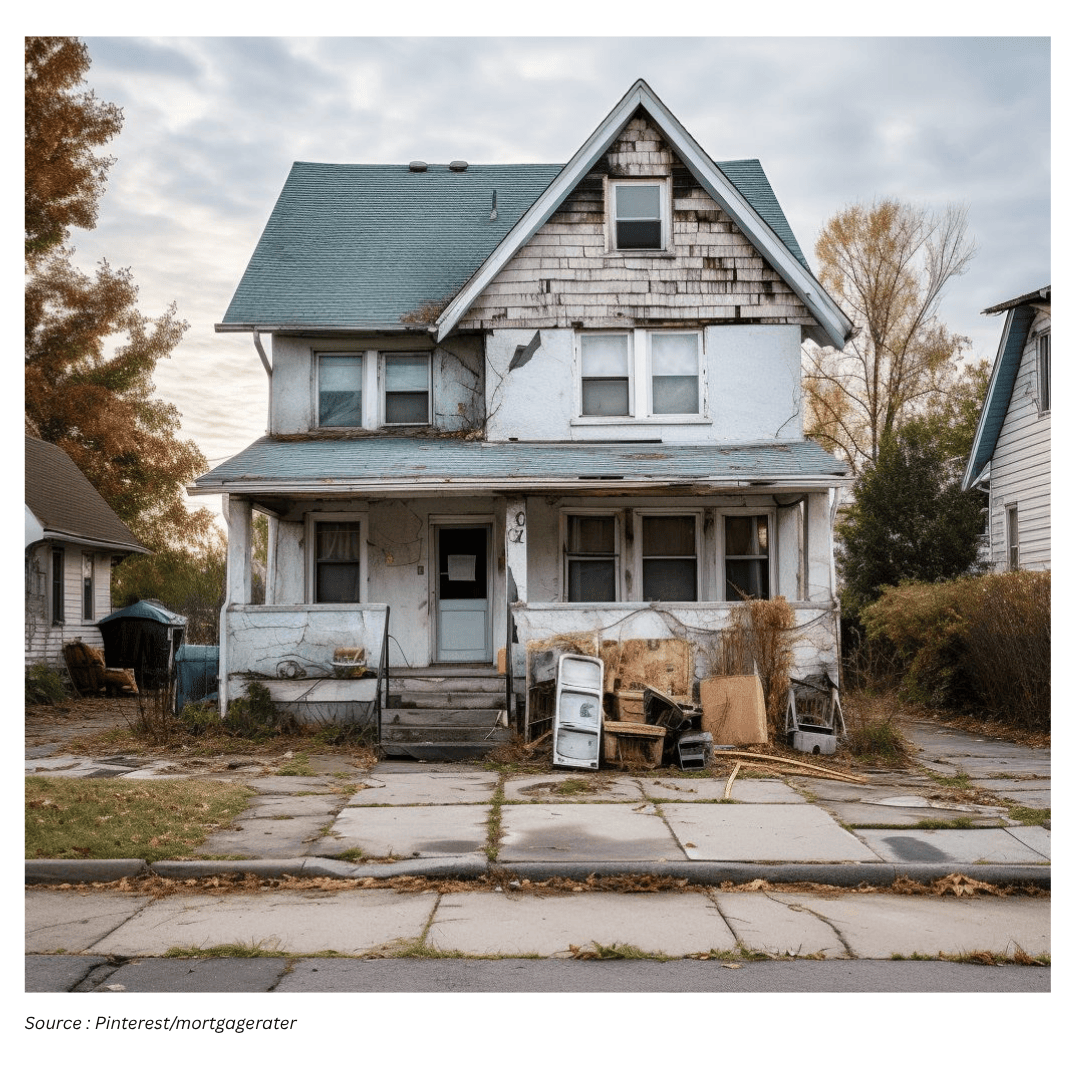
A growing doubt over whether every home can be insured
After a succession of major natural disasters in New Zealand — from the Canterbury earthquakes to Cyclone Gabrielle — a difficult reality is becoming harder to ignore: some homes are becoming uninsurable, or at least much harder to insure than they once were. In practical terms, this can mean higher premiums, tighter limits, larger excesses, narrower cover, or an outright refusal to offer a policy in locations insurers view as “high risk”.
For homeowners, the consequences are immediate. Insurance is often treated as a routine household expense until it becomes unavailable or unaffordable. When cover is hard to obtain, property owners can be left exposed to financial loss, and the wider housing market can face uncertainty as buyers and lenders reassess risk.
The challenge is not only about individual households. It raises a broader question about how New Zealand’s insurance system can continue to function as climate-related and other natural-hazard risks grow, and as insurers decide whether they can sustainably take on those risks at all.
Insurance is not automatically guaranteed — but there are important exceptions
One reason this issue is so complex is that there is no general requirement in New Zealand for insurers to cover any particular home. Likewise, there is no universal legal requirement that a home must be insured. This means access to cover can depend heavily on market choices and underwriting decisions.
There are, however, notable exceptions and practical pressures:
Body corporates must insure the units they manage, creating a mandatory insurance obligation in that context.
Mortgage lenders can require borrowers to take out home insurance as a condition of lending, meaning insurance becomes essential for many buyers even if it is not legally compulsory.
These factors help explain why “uninsurable” does not simply mean “unprotected”. It can also mean “unable to meet lending conditions” or “unable to comply with body-corporate obligations”, both of which can have significant knock-on effects.
The Natural Hazards Commission’s role in covering certain losses
When homeowners do obtain insurance, some natural-disaster losses are automatically covered through the Natural Hazards Commission (previously known as the Earthquake Commission). This matters because it creates a baseline layer of protection for certain hazards tied to having a home insurance policy.
Even if a home insurance policy were to contain wording that appears to exclude this public natural-disaster cover, the law would treat the cover as included. At the same time, while insurers manage payouts, those payouts are not financed by insurers. This division of responsibility is a key feature of how natural hazard risk is handled in New Zealand.
However, the presence of public cover does not remove the pressure on private insurers. Private insurers still face large exposures, and their willingness to offer policies can change as they reassess the overall financial viability of covering particular locations or types of risk.
Why insurers are pulling back: costs and caution after major events
The financial impact of recent history provides context for insurers’ caution. The Canterbury earthquakes cost insurers NZ$21 billion, and the Natural Hazards Commission $10 billion. These figures underscore why insurers may become more conservative in how they price risk, where they offer cover, and what terms they are prepared to accept.
As the risk of natural disasters grows more salient, insurers have increasingly pulled out of areas they consider high risk. For affected homeowners, this can feel like a sudden change in the social contract: insurance is expected to be available, yet market reality can move in the opposite direction.
This tension is now pushing the industry and policymakers toward a central question: if some risks are becoming too large or too frequent to insure in traditional ways, what new models could keep cover available — and at what price?
A regulatory shift from mid-2025: “treat consumers fairly”
From mid-2025, insurers will have a general duty to “treat consumers fairly”. This change introduces a new dimension to the debate because it may influence how insurers can justify refusing cover.
The Financial Markets Authority (the body responsible for enforcing financial-markets law) may potentially regard refusing home insurance to any consumer as a breach of that duty. If that interpretation is taken and applied, it could mean insurers are effectively pushed toward covering most homes across the country.
Such an outcome would not remove risk, but it could reshape how it is distributed. If insurers are expected to provide cover more broadly, the next question becomes how they manage that obligation without undermining their financial viability — and what kinds of policy design, pricing structures, and risk-transfer tools could make that possible.
Innovation in policy design: pricing incentives, caps and tailored excesses
One set of potential solutions focuses on how insurers take on risk at the household level. Rather than a simple “yes” or “no” to cover, insurers can use more nuanced policy settings to encourage risk reduction and limit exposure.
Approaches discussed include:
Premium incentives for disaster-proofing: an insurer may decrease premiums to encourage homeowners to “disaster-proof” their property.
Higher premiums and reduced payouts where mitigation is not undertaken: if a homeowner does not take steps to reduce risk, the insurer may increase premiums and limit payouts through individualised excesses or caps.
These tools reflect a broader shift in insurance thinking: moving from uniform pricing toward more granular, property-specific terms. For consumers, that can bring both opportunity and pressure — opportunity in the form of discounts for risk reduction, and pressure in the form of higher costs or tighter cover where risk is not addressed.
Parametric insurance: faster payouts, smaller sums, different trade-offs
Another innovation is “parametric” insurance. This model pays out less than traditional insurance but can pay out faster. The key difference is that the payout is triggered by an event meeting pre-agreed parameters, rather than by an assessment of the actual loss.
An illustrative example is a home insurance policy that covers any earthquake with an epicentre within 500 kilometres of the home and measuring magnitude six or higher. Under a traditional policy, payouts are based on the loss caused, typically assessed by a loss adjuster. Under a parametric policy, the payout would be a small, pre-agreed sum paid simply because the qualifying earthquake occurred.
Parametric insurance would not require the homeowner to prove “loss” beyond the inconvenience of being in the disaster zone. While relatively new worldwide, it is presented as an efficient solution for managing natural-disaster risk — particularly where speed and certainty of payment are valued, and where traditional claims assessment may be slow or complex during widespread events.
For households, the trade-off is clear: parametric cover may not make someone “whole” after a disaster, but it may provide rapid funds when disruption is immediate. It can also be combined with other forms of protection, depending on how insurers and regulators allow products to be structured.
Reinsurance and co-insurance: sharing risk across insurers
Innovation is not limited to consumer-facing policy features. Insurers can also manage their exposure by transferring risk to other insurance businesses.
One common method is using a reinsurer. If the insurer must make a payout to a customer, the reinsurer then makes a payout to the insurer for a portion of it. This spreads the financial burden and can support insurers’ capacity to keep offering cover, even when potential losses are large.
Another approach is co-insurance, where two or more insurers cover different portions of the same risk. In that setup, a homeowner would have multiple insurers, each responsible for a portion of any claim. Co-insurance can reduce the concentration of risk on a single insurer and potentially keep cover available in situations where one insurer alone would not accept the full exposure.
From a homeowner’s perspective, these arrangements may be largely invisible until a claim occurs. But they matter because they influence whether insurers can continue to write policies in high-risk areas, and on what terms.
Catastrophe bonds: transferring risk beyond the insurance sector
Risk transfer can also extend beyond insurance companies. In some countries — including Bermuda, the Cayman Islands and Ireland — an insurer can turn risk into a “catastrophe bond” (or “cat bond”).
Under a cat bond structure, the insurer arranges for expert investors to lend capital in return for interest. The insurer repays the capital unless a specific natural disaster occurs. If that disaster happens, the insurer keeps the capital, enabling it to pay out affected customers.
Cat bonds can be used not only as a financial backstop but also, potentially, to create what has been described as a “virtuous cycle”. In this framing, the insurer may reinvest the capital in a project that reduces or prevents loss from the insured climate-related risk, such as flooding. The concept links risk financing to risk reduction, aiming to reduce future losses while maintaining the capacity to respond to events when they occur.
Why public-private coordination is central to future-proofing
Across all these options, a consistent theme emerges: future-proofing home insurance will depend on the public and private sectors working together. Insurance can price and transfer risk, but it cannot, by itself, make disasters less frequent or less severe.
Improving resilience requires reducing the underlying drivers of loss and ensuring that homes are better able to withstand hazards. This includes climate-related disasters, but also natural-disaster damage more generally, particularly from earthquakes.
The United Nations’ Intergovernmental Panel on Climate Change has advised on ways sectors could minimise climate-related risk. The broader point is that reducing risk is not solely an insurance problem; it is a system-wide challenge involving building standards, land use, infrastructure decisions, and household-level mitigation.
Building resilience — and the link to housing affordability
Disaster-proofing homes is presented as an important part of improving the insurance outlook. If homes are built to be better protected, the scale of losses can be reduced, which can support the long-term availability of cover.
But the discussion also highlights another issue that is not always viewed as connected to insurance: the cost of housing. When people must invest a large share of their money in owning a home, the financial consequences of damage can be more severe. If New Zealanders did not have to commit as much of their wealth to housing, the risk of damage might be of less concern, and natural disaster would not have to mean financial disaster to the same extent.
This does not remove the need for insurance, but it reframes what is at stake. High housing costs can amplify vulnerability, making insurance availability and affordability even more critical for household stability.
What “innovation” may look like in practice
Innovation, in this context, does not mean a single new product that solves everything. It is more likely to be a mix of approaches that together keep insurance functioning under greater stress:
More tailored pricing and policy terms, including incentives for mitigation and more individualised excesses or caps.
Alternative products such as parametric insurance that prioritise speed and certainty of payment, even if payouts are smaller.
Behind-the-scenes risk sharing through reinsurance and co-insurance to prevent risk from being concentrated in one balance sheet.
Capital-market tools like catastrophe bonds that can shift some disaster risk to investors and potentially support resilience projects.
Public-private coordination aimed at reducing the frequency and severity of losses over time.
Each tool addresses a different part of the problem: affordability, availability, speed of recovery, or the insurer’s ability to absorb shocks. The challenge for policymakers and industry is to combine them in ways that are transparent to consumers and sustainable for the market.
The direction of travel: more necessary options, not fewer risks
The underlying risk environment is not standing still. As insurers respond to growing natural-disaster exposure, the pressure on traditional home insurance models increases. Some homeowners are already experiencing what that looks like when insurers decide the risk is too high to make cover financially viable.
Regulatory change from mid-2025 may also shift expectations about who must be offered cover, and on what basis. If insurers are expected to treat consumers fairly in ways that limit refusals, then the industry will likely rely even more on innovative policy design and risk-transfer mechanisms to manage exposure.
In the meantime, the need for new insurance options is likely to grow. The central task is to keep pathways to cover open while encouraging risk reduction — and to do so through cooperation between private insurers, regulators, and the wider public sector responsible for shaping resilience.