
After NSW floods, the bigger risk is households becoming uninsurable
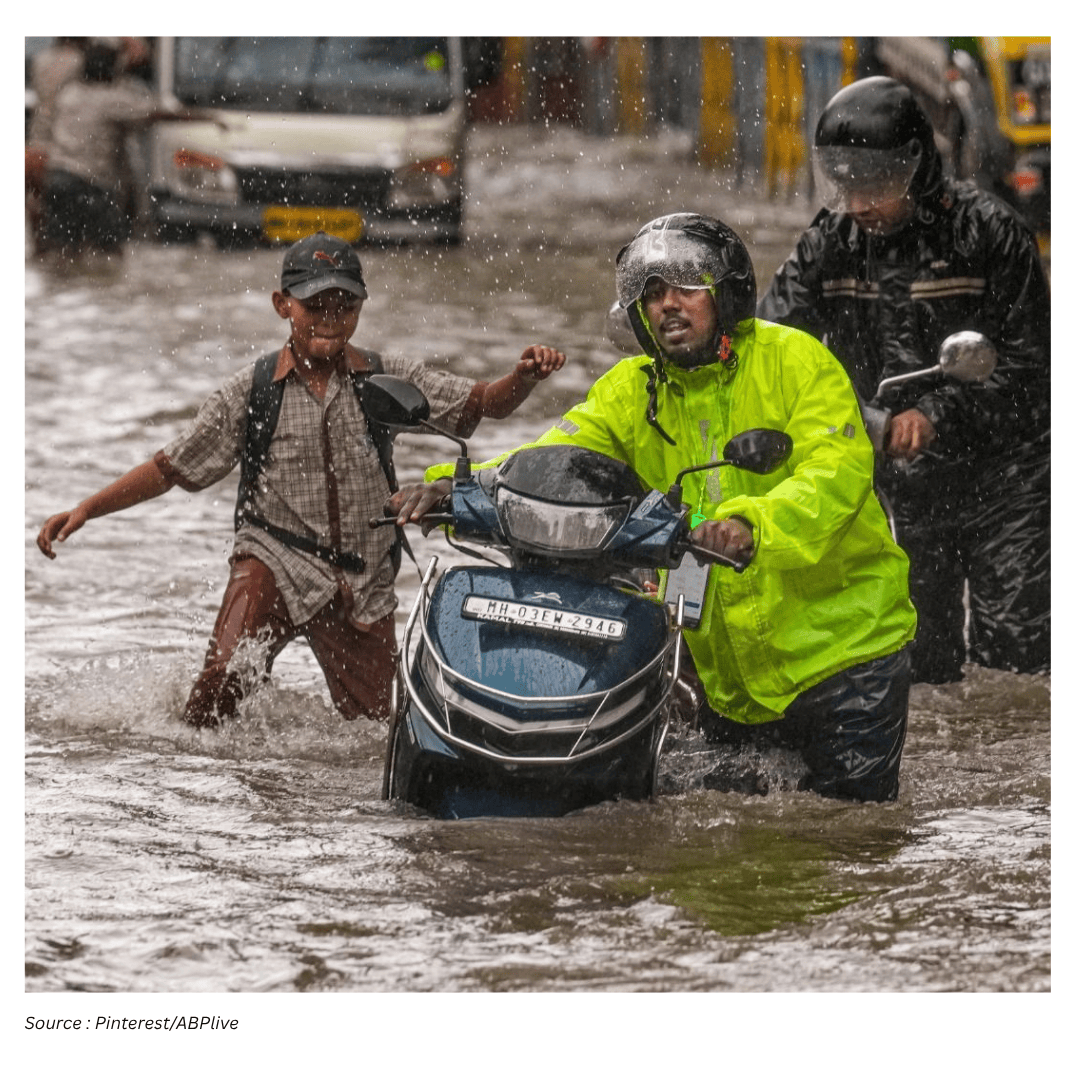
Large parts of New South Wales are again cleaning up after devastating floods, with an estimated 10,000 homes and businesses potentially damaged or destroyed. The Insurance Council of Australia has reported more than 6,000 insurance claims from the Mid North Coast and Hunter region alone, while hundreds of families have been displaced and many homes are now uninhabitable.
In the immediate aftermath of a disaster, public debate often focuses on whether insurers will pay claims quickly and fairly. But the more fundamental issue emerging from this flood event is not the stability of insurance companies. It is the unfolding, real-time collapse of insurance affordability and availability for households, businesses and entire communities.
When the clean-up begins, the insurance gap becomes visible
As recovery efforts ramp up, stories are surfacing of households and businesses that were not covered at all. Some residents have said insurers were asking up to A$30,000 a year for cover. Others are insured, but underinsured: their payouts may not meet the full costs of rebuilding, repairing or replacing what has been lost.
The Insurance Council of Australia has declared the event an “insurance catastrophe”. That label reflects the scale of claims, but it also points to a broader social reality: when a disaster hits, the difference between being insured, underinsured or uninsured can shape whether a family can return home, whether a small business can reopen, and whether a community can recover without long-term scarring.
For those already struggling to make ends meet, the consequences can be especially severe. A premium that rises sharply after each disaster, or a policy that is withdrawn altogether, can quickly turn risk into hardship—particularly when the next weather event is not a distant possibility but a recurring feature of life.
A global pattern of escalating losses
While the current focus is on NSW, the underlying pressures are not unique. The flood impacts align with global trends in disaster losses. In 2024, there were around 60 natural disaster events worldwide that each exceeded A$1.5 billion in economic losses, with total losses reaching A$650 billion.
In a world where these types of events are escalating in a changing climate, it is understandable that many people are asking whether we are moving toward a future in which large numbers of properties and livelihoods become effectively uninsurable. Australia, described as one of the most disaster-prone countries in the Western world, raises a confronting question: is it becoming an early warning signal for a wider shift in how insurance works under growing climate and disaster pressures?
The idea of an uninsurable future is no longer abstract
Decades ago, sociologist Ulrich Beck argued that unpredictable global risks—such as climate change—could bring an end to the private insurance market, with profound consequences for modern societies. The concept of a world where insurance no longer functions can evoke dramatic imagery: decaying buildings, neglected streets, and people trying to get by amid ruins.
But the more immediate reality is less cinematic and more practical—and, for many, more frightening. The problem is not solely about a hypothetical future collapse of insurers. It is that individuals and communities are already living with insurance becoming unaffordable, unavailable, or insufficient. In this sense, “collapse” is not a single event; it is a gradual process that can be seen in premium hikes, exclusions, non-renewals, and widening gaps between what policies promise and what rebuilding actually costs.
Political pressure is rising, but the levers are complex
In the wake of the floods, NSW Premier Chris Minns said he would be “putting the heat” on insurance companies, arguing that “everyone’s going to have to do their part” and that insurers need to “step up and pay out claims quickly.” The statement reflects a common expectation after disasters: that insurers should deliver prompt financial support so households and businesses can begin recovery.
In the lead-up to the federal election, both major parties signalled they believed insurers were “ripping off” Australians. The Coalition proposed new emergency divestiture powers that would allow the government to break up major insurers in the case of market failure.
However, the pricing and coverage decisions that shape what consumers experience are not determined solely within Australia’s domestic insurance market. A key structural factor is reinsurance—insurance for insurance companies themselves, designed to cover the cost of paying claims after major disasters. In this system, global reinsurers play an outsized role in setting the terms and costs that flow down to local insurers and, ultimately, to households and businesses.
Just ten multi-billion dollar companies control 70% of the reinsurance market. That concentration matters because it limits the extent to which national political pressure alone can reshape the underlying economics of disaster risk, premium pricing, and coverage availability.
Proposed fixes: flood defences and retrofits
Insurers, led by the Insurance Council of Australia, have been pushing for a Flood Defence Fund and for retrofitting homes to improve disaster resilience, with costs shared by governments and households. On the surface, these proposals can sound straightforward: reduce risk, reduce losses, and premiums should become more manageable.
Yet there is a concern that these ideas can also shift attention away from deeper questions about the structure of the insurance industry and the role of regulation and public policy in ensuring that insurance remains affordable and effective for ordinary people. If the burden of “resilience” is pushed primarily onto households—especially those with limited financial capacity—then resilience can become another form of inequality rather than a pathway to security.
Rising costs across multiple types of insurance
The affordability problem is not limited to flood cover. In places like Australia, the increasing cost of insurance is cutting across multiple categories, with the largest rises coming in home, vehicle, and employers’ liability insurance. This broad-based rise matters because it compounds financial pressure: a household facing higher home insurance premiums may also be paying more to insure a car, while a small business may be dealing with higher liability costs at the same time it is trying to recover from disruption.
At the same time, many insurers are reporting healthy profits. Globally, the sector is experiencing “exceptionally strong growth.” Over the three years to 2024, revenue from premiums increased by more than 21% worldwide—a rise described as “whopping” by the finance corporation Allianz.
This combination—growing premium revenues alongside worsening affordability for consumers—helps explain why public frustration is intensifying. From the consumer perspective, premiums can feel disconnected from their ability to pay, even as the industry reports strong growth. From the industry perspective, premiums are being recalibrated to reflect rising losses and the cost of reinsurance in a world of escalating disasters.
Why the main issue is not insurer collapse
It is possible to imagine a future point at which climate change and other pressures make it difficult for insurers to continue operating as they do today. But the more immediate concern is that the insurance sector can continue to grow and profit while a different kind of collapse unfolds: the shrinking capacity of households, businesses and communities to buy adequate cover.
In practical terms, that collapse looks like:
Policies that become unaffordable after repeated disasters.
Coverage that is withdrawn or narrowed, leaving people exposed.
Underinsurance, where payouts do not match the true costs of rebuilding and replacement.
Greater vulnerability for people already under financial strain.
When insurance becomes out of reach, the risks do not disappear. They are absorbed by individuals, families, local businesses, and governments—often in ad hoc ways that are more expensive and less equitable over time.
Households and communities are being left to improvise
As insurance becomes harder to access, the responsibility for coping with disaster risk is increasingly pushed onto households and communities. Some of the responses now being observed are desperate, but they are also understandable in a context where people feel they have few alternatives.
Examples raised in the current discussion include squatters taking possession of flood-damaged vacant homes in Lismore, and—when combined with the housing crisis—the growth of informal housing and settlements on the fringes of major population centres.
These developments are not simply about individual choices. They reflect pressure points where housing insecurity, repeated disasters, and insurance unaffordability intersect. When formal systems fail to provide stability—whether through affordable cover, secure housing, or effective recovery pathways—informal and precarious arrangements can grow.
The recurring cycle: disaster, then higher premiums and less cover
One of the most damaging dynamics is the pattern that can follow each major disaster event: insurance costs rise, and coverage can be withdrawn. Over time, this can create a feedback loop where communities in high-risk areas face escalating premiums, reduced options, and greater exposure—precisely when they most need stability.
The result is a widening divide between those who can afford comprehensive cover and those who cannot. That divide is not only financial; it can shape who is able to remain in a community, who can rebuild, and who is forced to relocate or accept unsafe or unstable housing.
What government intervention could look like
If Australia is to avoid becoming a “canary in the coalmine,” the argument presented here is that government intervention is urgently needed in an industry that is described as very resistant to such intervention. The goal would be to ensure that when disaster strikes, people are not left without meaningful protection simply because the market price of risk has moved beyond their reach.
One option raised is the creation of an equitable and affordable public insurance scheme, designed to ensure everyone is adequately covered. Such an approach would shift the conversation from whether private insurers can remain profitable to whether communities can remain livable and economically viable in the face of repeated disasters and rising premiums.
Alongside any insurance reform, governments are also urged to address growing structural inequality, which is described as undermining social cohesion and weakening collective resilience. Insurance does not operate in isolation: when people are already stretched by housing costs and broader economic pressures, even modest premium increases can be the tipping point into being uninsured or underinsured.
What to watch as NSW recovers
The NSW floods will generate a familiar sequence of events: damage assessments, claim lodgements, disputes over coverage, and long rebuilding timelines for those who can afford to rebuild at all. But the deeper story is about what happens after the immediate crisis fades from headlines.
Key questions likely to shape the next phase include:
How many affected households and businesses were uninsured, and why?
How many were underinsured, and what gaps will emerge between payouts and real rebuilding costs?
Whether premium increases and coverage withdrawals follow, reinforcing the post-disaster cycle.
Whether political pressure translates into structural changes, given the influence of global reinsurance markets.
Whether policy solutions focus mainly on household-level resilience measures, or on broader reforms to affordability and access.
For families currently displaced and facing uncertain futures, these questions are not theoretical. They will determine whether recovery is possible, and on what terms. As disasters become more frequent and costly, the central challenge is not only rebuilding after the next flood, but ensuring that insurance remains a tool for recovery rather than another driver of inequality and instability.