
Electric Cars in 2026: What to Look For, What to Watch Out For, and How to Budget for the Switch
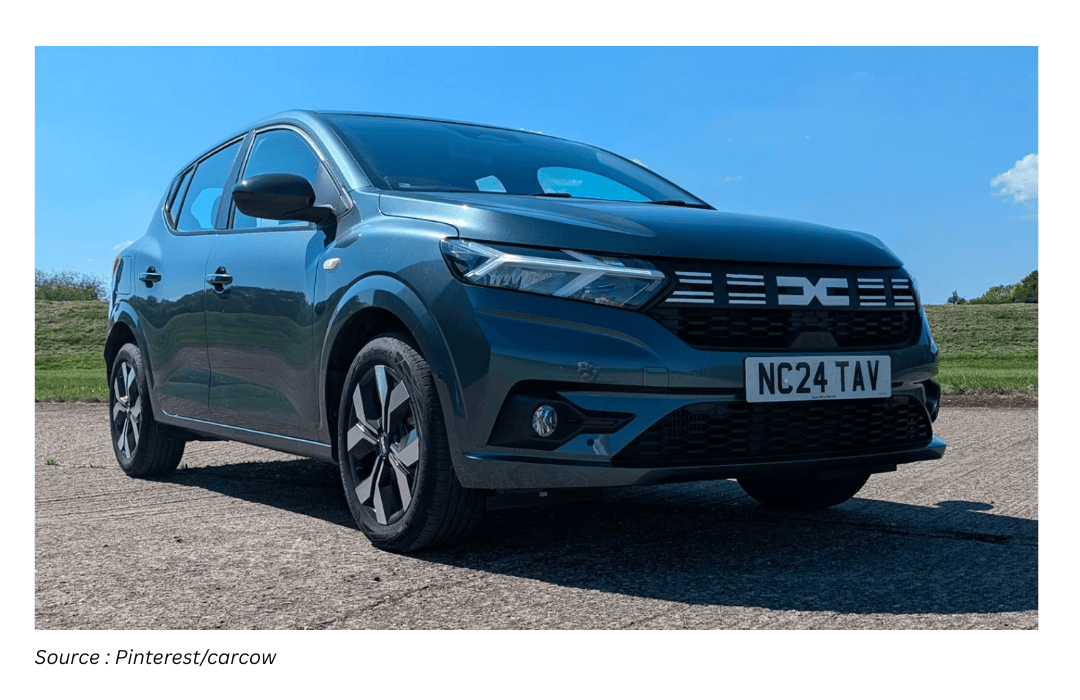
Electric cars in 2026: practical choices, fewer compromises
Electric cars have moved beyond being a niche option. In 2026, buyers can choose from small hatchbacks, family SUVs and luxury saloons, and there are also performance-focused models that demonstrate just how quick electric acceleration can be. For many drivers, the biggest shift is that the day-to-day compromises that once defined EV ownership—especially concerns about range—have eased considerably.
Modern EVs are widely described as practical, efficient and potentially very cheap to run, particularly when charging at home. At the same time, there are still trade-offs to understand: public charging can be expensive, upfront prices are often higher than petrol or diesel alternatives, and insurance can be pricier than you might expect. The key to choosing well in 2026 is not simply picking a popular model, but matching an EV to your lifestyle, mileage and charging access.
Range anxiety isn’t gone for everyone—but it’s no longer the default
One of the most common barriers to buying an electric car has been “range anxiety”—the worry that the battery will run out before you reach a charger. In 2026, that concern is less dominant than it used to be. Many modern electric cars can travel over 200 miles between charges, and a large number of newer models are quoted with ranges around 350 miles or more.
Still, range is not a single fixed number. Just as fuel economy in a petrol or diesel car varies with driving style and conditions, EV range changes depending on how you drive and the environment you drive in. Cold weather, high speeds and heavy loads can all affect how far you’ll go on a charge. That makes it important to think in terms of your real routine: typical daily mileage, weekend trips, and how often you can conveniently plug in.
For most drivers, an EV’s range will be sufficient—especially if you can charge at home for shorter trips. High-mileage drivers, however, may want a larger battery for more range, which generally increases the purchase price.
Charging basics: time, speed and why home charging matters
Charging is often the biggest behavioural change when moving to an EV. Instead of filling up in minutes at a petrol station, you’ll typically plug in at home or top up at a public charger. How long charging takes depends on two main factors: the size of the battery (measured in kWh) and the power of the charger (measured in kW).
A simple example illustrates the maths. If your car has a 70kWh battery and you plug into a 7kW home charger, a full charge from empty to full would take about 10 hours. Faster public chargers can reduce charging time significantly—often down to around 30 to 60 minutes—depending on the car and the charger. The trade-off is cost: rapid public charging is usually much more expensive than charging at home.
This is why EVs still tend to work best for drivers with access to home charging. Home charging is typically the cheapest option, but it may require installing a dedicated charging point. If that isn’t possible and you rely mostly on public chargers, the running costs can rise sharply—potentially to the point where running an EV could be more expensive than running a petrol car.
What does it cost to charge an electric car?
The cost of charging depends on the type of EV you drive, its battery, and where you buy your electricity. Broadly, you have three main options: charging at home, charging at public points, or using fast chargers such as those found at motorway service stations. Each comes with different pricing, convenience and time implications.
Charging at home is generally the cheapest approach, especially if you can access an EV-friendly electricity tariff. Some energy providers offer EV-specific rates that can reduce the cost of charging by over 75%, which can make a dramatic difference to overall running costs. In contrast, public charging—particularly rapid charging—can be significantly more expensive, and may also be inconvenient if it’s your only option.
For buyers trying to build a realistic budget, the most important step is to look beyond the sticker price. Work out how you’ll finance the purchase and what you can afford in monthly payments, then factor in charging and insurance to get a complete picture of total costs.
Public charging networks are expanding—and rapid charging is improving
Charging infrastructure is improving quickly, and rapid-charging networks are expanding. Some modern EVs are designed to add a substantial amount of range in a short time at suitable rapid chargers, helping make long journeys more manageable than they were a few years ago.
Even with better infrastructure, it’s wise to plan around how you actually travel. If your driving is mostly local and you can charge at home, you may rarely need public charging. If you regularly do long motorway journeys, the availability and cost of rapid charging becomes a bigger part of the ownership equation.
Insurance: why EV cover can cost more
A common assumption is that electric cars are cheaper to insure because they have fewer moving parts. In practice, EVs are usually a little more expensive to insure than comparable petrol or diesel cars.
Two factors are often cited. First is repair cost: while there may be less to go wrong mechanically, certain EV components—especially lithium-ion batteries—can be extremely expensive to repair or replace if damaged. Second is the availability of qualified technicians. There are fewer technicians trained to work on electric cars than those who can repair conventional vehicles, and that scarcity can push repair costs—and therefore insurance premiums—higher.
There are insurers that specialise in electric car cover, and choosing one of these can reduce premiums. However, the basics still matter: shopping around remains essential, and the usual methods of lowering premiums may help, such as paying annually rather than monthly or fitting a black box or dashcam. The broader point is straightforward: EVs can reduce daily running costs in many areas, but insurance may not be one of them.
Depreciation: how EV values are changing
All cars depreciate, and EVs are no exception. The question many buyers ask is whether electric cars lose value faster than petrol or diesel models. Depreciation varies widely by make and model and depends on factors such as desirability and perceived dependability.
Early in the EV market, depreciation was often heavy. That was linked to limited range, recharging difficulties and a lack of public understanding about what electric motoring was really like. In more recent years, the picture has shifted. As range, quality and overall appeal have improved—and as charging infrastructure has developed—demand for EVs has grown in both the new and used markets. As a result, many EVs now hold their value better than conventional cars, and the gap may widen as electric motoring becomes more established.
Battery health: how to preserve capacity over time
EV batteries do lose capacity over time, and frequent charging can contribute to that. However, how you charge can be more important than how often you charge. A commonly recommended approach is to avoid regularly charging to 100% and depleting to 0%, as that pattern can shorten battery life more quickly.
Instead, if your routine allows, aim to keep the battery in a more moderate window—often cited as topping up to around 80% and trying not to drop below 20% before recharging. Narrowing the window further and keeping the charge closer to the middle of the scale can be even better for long-term health (for example, keeping it between 60% and 40%). Many EVs also offer smartphone apps or settings that let you limit the maximum charge level when plugged in, which can make it easier to build battery-friendly habits.
Safety: how EV design can help in a crash
No car is risk-free, but EVs are widely considered safe. One reason often given is structural: the heavy battery pack is typically integrated into the central structure of the car, often within the floor. This can add stiffness to the bodyshell, which may improve protection of the passenger compartment in a collision.
Some people worry about battery fires because lithium-ion batteries can catch fire in consumer electronics. Manufacturers use multiple measures intended to reduce this risk, including strong casings, separation of cells to limit fire spread, and electrical protection systems such as fuses, circuit breakers and cooling systems. Research has suggested that EVs may be less likely to catch fire than conventional cars, partly because they do not carry flammable petrol or diesel.
Environmental questions: what can be said with confidence
For many drivers, environmental impact is part of the decision. The broader debate about overall carbon dioxide impact can be complex, with arguments on both sides and many variables involved. It is difficult to reach a single definitive conclusion that applies to every situation.
What can be said with confidence is that EVs improve local air quality. Petrol and diesel vehicles emit pollutants such as nitrogen oxides, carbon monoxide and particulates, which can contribute to poor air quality and breathing difficulties. Electric cars, by contrast, deliver zero-emissions driving at the tailpipe, which can make a noticeable difference in local environments.
Over the longer term, as power generation shifts toward more renewable sources, the electricity used to charge EVs is expected to become greener too, which would further improve the environmental case for electric motoring.
Efficiency: understanding miles per kWh
In the UK, EV efficiency is commonly discussed in miles per kWh. A kilowatt hour (kWh) measures how much energy is stored in the battery. The more miles a car can travel per kWh, the more efficient it is—similar to how a petrol car that travels further per gallon is considered more economical.
When comparing EVs, efficiency matters because it influences real-world running costs and how often you’ll need to charge. Two cars with similar battery sizes can deliver different usable range depending on how efficiently they use energy.
Financing and budgeting: getting a realistic monthly picture
EV purchase decisions are often made on monthly affordability, whether through finance or leasing. Quotes and illustrations can vary widely depending on term length, upfront payment, mileage allowance and other conditions, and they are typically subject to status and availability. As with any financed vehicle, it’s important to understand the terms, what fees apply, and what happens at the end of the agreement (for example, returning the vehicle at the end of a contract).
When building your budget, don’t stop at the monthly payment. Charging costs can be low with home charging and the right tariff, but potentially high if you rely on public chargers. Insurance can also be higher than expected. Taking these into account early helps avoid surprises after you’ve committed.
There are also regional support options that may affect affordability. For example, an interest-free Electric Vehicle Loan funded by Transport Scotland offers loans of up to £35,000 for a new pure electric or plug-in hybrid car, and up to £10,000 for a new electric motorcycle or scooter.
Which EVs to consider—and two that some reviewers suggest avoiding
Because EVs now cover so many categories, there is rarely a single “best” choice. The most suitable option depends on your needs: home charging access, typical mileage, passenger and luggage requirements, and how often you do longer trips.
That said, reviewers do sometimes flag models that may be harder to recommend in 2026 based on value or usability.
- Skoda Enyaq vRS: Some reviewers argue this version does not make much sense compared with the regular model. Despite extra power, it is said not to feel significantly sportier, and it is not considered particularly fun in corners.
- Mazda MX-30: This EV SUV is described as pleasant enough, but its official range is stated as 124 miles, with real-world range potentially only a little over 100 miles. That limitation may be manageable if you can charge at home and rarely do long journeys, but it can restrict flexibility.
Key takeaways for EV buyers in 2026
- Home charging is a major advantage: it is generally cheaper and more convenient than relying on public chargers.
- Public charging can change the economics: fast charging is quicker but can cost much more, so plan how often you’ll need it.
- Range is usually sufficient for most drivers: but high-mileage users may want larger batteries, which can increase purchase price.
- Insurance may be higher than expected: largely due to repair costs and technician availability, so shop around early.
- Battery care matters: avoiding frequent 100% charges and 0% depletion can help preserve long-term capacity.
- EV values have improved: as the market matures, many models now hold value better than conventional cars.
In 2026, the electric car market offers more choice and fewer compromises than ever. The best results come from matching the technology to your real routine—how and where you drive, where you can charge, and what you want your monthly costs to look like once insurance and electricity are included.