Does travel insurance cover war? What to know before you change or cancel a trip
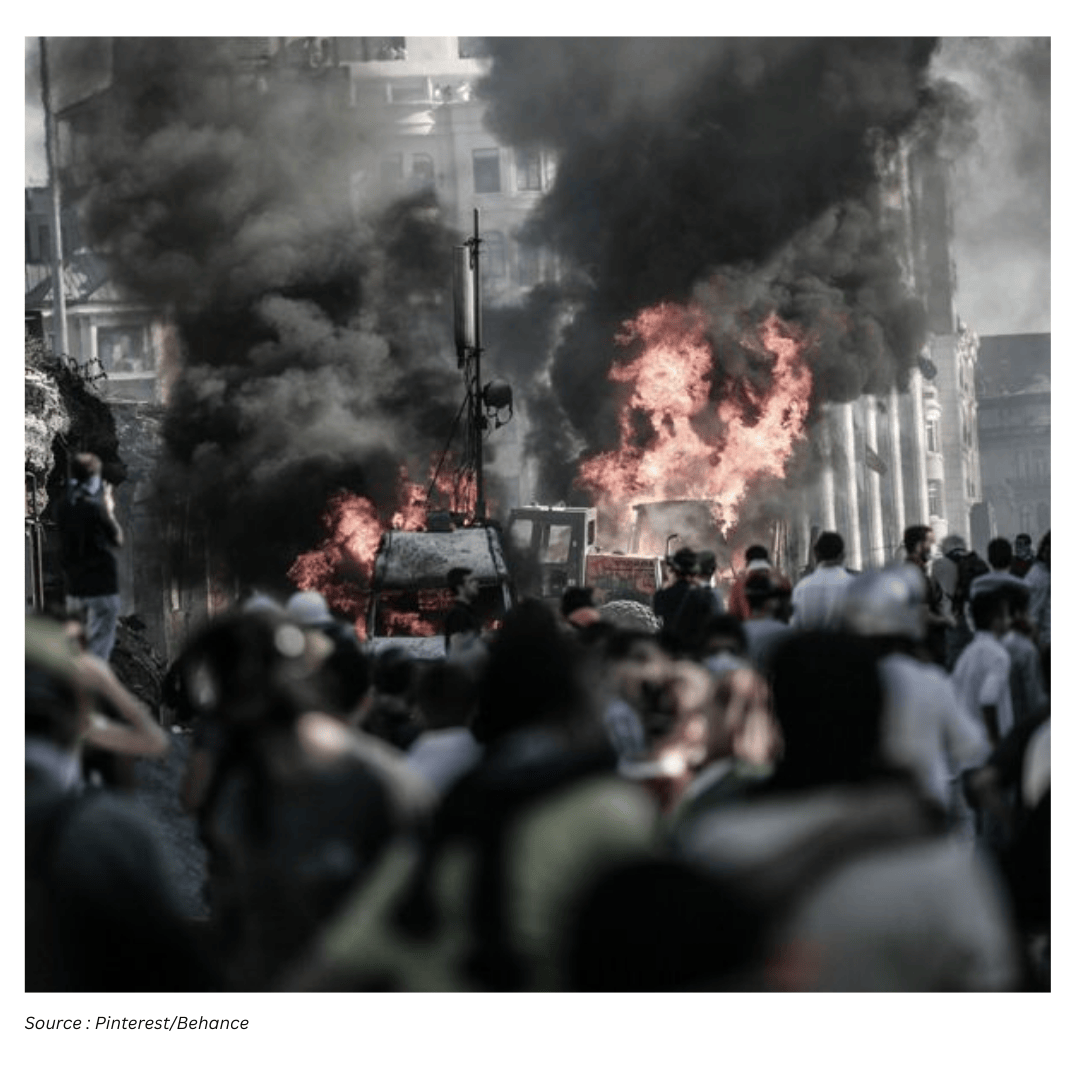
War and travel insurance: the key reality
When conflict escalates, travellers often look first to their travel insurance for help with cancellations, delays, rerouting costs, or extra accommodation. However, the standard position in travel insurance comparisons is clear: claims that arise as a result of war are excluded. This can include disruptions such as flights interrupted by military strikes in the Middle East.
In practical terms, that means even if your trip is affected by a military conflict, your policy may not reimburse you for losses that stem from that conflict. This can be confronting for travellers who assume that “unexpected events” are automatically covered. The important detail is that many policies separate unexpected events into covered and excluded categories—and war is typically listed among the excluded ones.
Where the war exclusion is usually written
Insurers generally set out war-related exclusions in the General Exclusions section of the Product Disclosure Statement (PDS). The wording may vary from one insurer to another, but it is commonly expressed along these lines:
- “We will not pay for claims arising as a result of war, invasion, act of foreign enemy, hostilities (whether war be declared or not), civil war, rebellion, revolution, insurrection or military or usurped power.”
This kind of clause is broad. It does not just refer to formally declared wars. It can also capture “hostilities” and other conflict-related events, which is why disruptions linked to military action may fall outside cover.
Government travel warnings and what they mean for cover
Travel insurance also generally does not cover claims that arise from travelling against an Australian Government “Do not travel” warning. That is a separate issue from the war exclusion, but it often becomes relevant during fast-moving crises when official advice changes.
If the warning level for your destination was escalated to “Do not travel” after you bought your policy, insurers may cover you to change plans. But there is a critical limitation: this is only possible if the reason for changing your plans is not already excluded by the insurer.
Because war-related claims are typically excluded, an escalation to “Do not travel” does not automatically create cover for war-related disruption. If the underlying reason for the change in advice is war or hostilities, the war exclusion may still apply. In other words, the change in travel advice does not necessarily override what the policy excludes.
If you bought your policy before advice changed
Some insurers may offer a free extension of your insurance if you purchased your policy before the travel advice was escalated to “Do not travel”. This can matter if you are already overseas or if your return is delayed.
It is important to understand what such an extension does—and does not—do. An extension may help you stay insured for events unrelated to the military conflict while you remain away longer than planned. But it does not turn excluded war-related events into covered claims.
If you’re stranded overseas: extending your policy and using emergency assistance
If you are overseas longer than intended, the practical first step is to speak to your insurer about extending your policy. Maintaining an active policy can help ensure you still have cover for issues that are not connected to the conflict.
Even where war-related claims are excluded, insurers may still offer support through their emergency assistance services. For example, emergency assistance may help you coordinate medical care. This is not the same as paying a claim for war-related losses, but it can still be valuable when travel becomes complicated.
Current travel advice for the Middle East
Official advice may be set to “Do not travel” or “Reconsider your need to travel” for the Middle East. The practical takeaway for travellers is to avoid travel to or through the region for the foreseeable future, and to plan conservatively if your itinerary includes stopovers that transit affected areas.
Because airline networks often rely on hubs and stopovers, it is not enough to check only your final destination. A stopover in the Middle East can be enough to create disruption, even if your end destination is elsewhere.
Airline cancellations, refunds and credits: what to expect
If you are concerned about your flight, keep an eye on your airline’s advice—particularly if you have a stopover in the Middle East. Your options can differ significantly depending on whether you cancel the ticket yourself or the airline cancels the flight.
- If you cancel your ticket: you will be subject to the terms and conditions of the fare you purchased. Unless you have a flexible ticket, you are unlikely to get your money back from the airline.
- If the airline cancels the flight: you will usually be entitled to a refund or a credit.
It is also worth noting that when airlines cancel or delay flights due to war, it can be treated as an event outside their control. Airlines may still have a policy that sets out what compensation, refund, or credit arrangements apply for cancellations or delays. Travellers should familiarise themselves with that policy, because airlines may not proactively volunteer every entitlement or option.
Communicating with your airline during disruption
If a war or military conflict prevents you from getting to the airport, tell your airline. In a crisis, the method of contact can matter as much as the message.
- If possible, try to reach a real person by phone so you can explain your situation clearly.
- If phone support is difficult to access, try the airline’s social media accounts. This can sometimes produce a response when other channels do not.
The aim is to document your situation and explore what flexibility the airline can offer under its own terms and conditions.
Accommodation: ask about rescheduling or refunds
Flights are only one part of the financial impact of disrupted travel. Accommodation can represent a significant cost, and policies vary widely.
A practical step is to contact your accommodation provider and ask whether you can reschedule or obtain a refund. In military situations, tourist destinations can face serious economic impacts, and flexibility on both sides can help: travellers may still be able to take a holiday later, while providers may retain future business rather than losing it entirely.
If you booked through a site: follow the booking site’s process
If you arranged accommodation or travel through a booking site, the booking site’s terms and conditions will generally apply. In that case, you should deal with the booking site rather than only the end-point service provider.
Booking sites commonly have standard cancellation policies, but in the event of war they may make exceptions. Some platforms may waive cancellation penalties in the event of a war. The practical advice is to read the booking site’s policy carefully and be ready to quote it if necessary.
Even when a booking is made through a platform, the booking site should still be subject to Australian Consumer Law. That does not guarantee a refund in every situation, but it is part of the consumer protection framework that can apply to these transactions.
Still lodge a travel insurance claim—even if you think it won’t be covered
Because war is generally excluded, many travellers assume there is no point contacting their insurer. However, once you have exhausted attempts to obtain money back or a credit from your airline, accommodation provider, or travel agent, you should still lodge a claim with your travel insurer—even if you do not think you will be covered.
There are two reasons this step can be useful:
- It ensures the insurer formally assesses the circumstances rather than you relying on assumptions.
- It creates a record of what occurred and what you sought, which may be relevant if you later need to dispute an outcome.
Chargebacks and complaints: escalation options if you feel you weren’t treated fairly
If you believe you did not get a fair outcome from your travel providers, you may consider raising a credit card chargeback after you have tried to resolve the issue directly. Chargebacks are not guaranteed, but they are one pathway some consumers explore when services are not provided as expected or disputes remain unresolved.
If your dispute is with the insurer—such as how a claim decision was made—you can also consider making a complaint to the insurer using the insurer’s complaints process.
A practical checklist for travellers facing conflict-related disruption
- Read your PDS exclusions: look specifically for the General Exclusions section and any war/hostilities wording.
- Check official travel advice: understand whether your destination (or stopover) is under “Do not travel” or “Reconsider your need to travel”.
- Monitor airline updates: pay attention to your flight status and the airline’s disruption policies.
- Know the difference between cancelling vs being cancelled: your refund/credit position may change depending on who cancels.
- Contact providers early: airlines and accommodation providers may offer options when approached promptly.
- If booked via a platform, use the platform’s process: follow the booking site’s terms and ask about exceptions in the event of war.
- Ask about extending insurance if stranded: an extension may preserve cover for non-conflict events.
- Use emergency assistance where available: it may help coordinate medical care even when war-related claims are excluded.
- Lodge a claim anyway: after pursuing refunds/credits elsewhere, submit the claim to receive a formal decision.
- Escalate if needed: consider a chargeback or a complaint if you believe you were treated unfairly.
Bottom line
War is commonly excluded from travel insurance, and that exclusion can apply even when conflict causes major disruption to flights and itineraries. Escalating travel advice may create some flexibility to change plans in certain circumstances, but it does not necessarily override an insurer’s war exclusion. In a fast-changing situation, travellers may need to rely more on airline policies, booking platform rules, and direct negotiation with providers than on insurance reimbursement.
If you are caught up in disruption, focus on the steps you can control: communicate early with airlines and accommodation providers, understand the terms attached to your bookings, and keep your insurer informed—especially if you need to extend your policy to maintain cover for non-conflict events while you remain overseas.