Australia Travel Insurance Market: Key Players and What the Competitive Set Signals
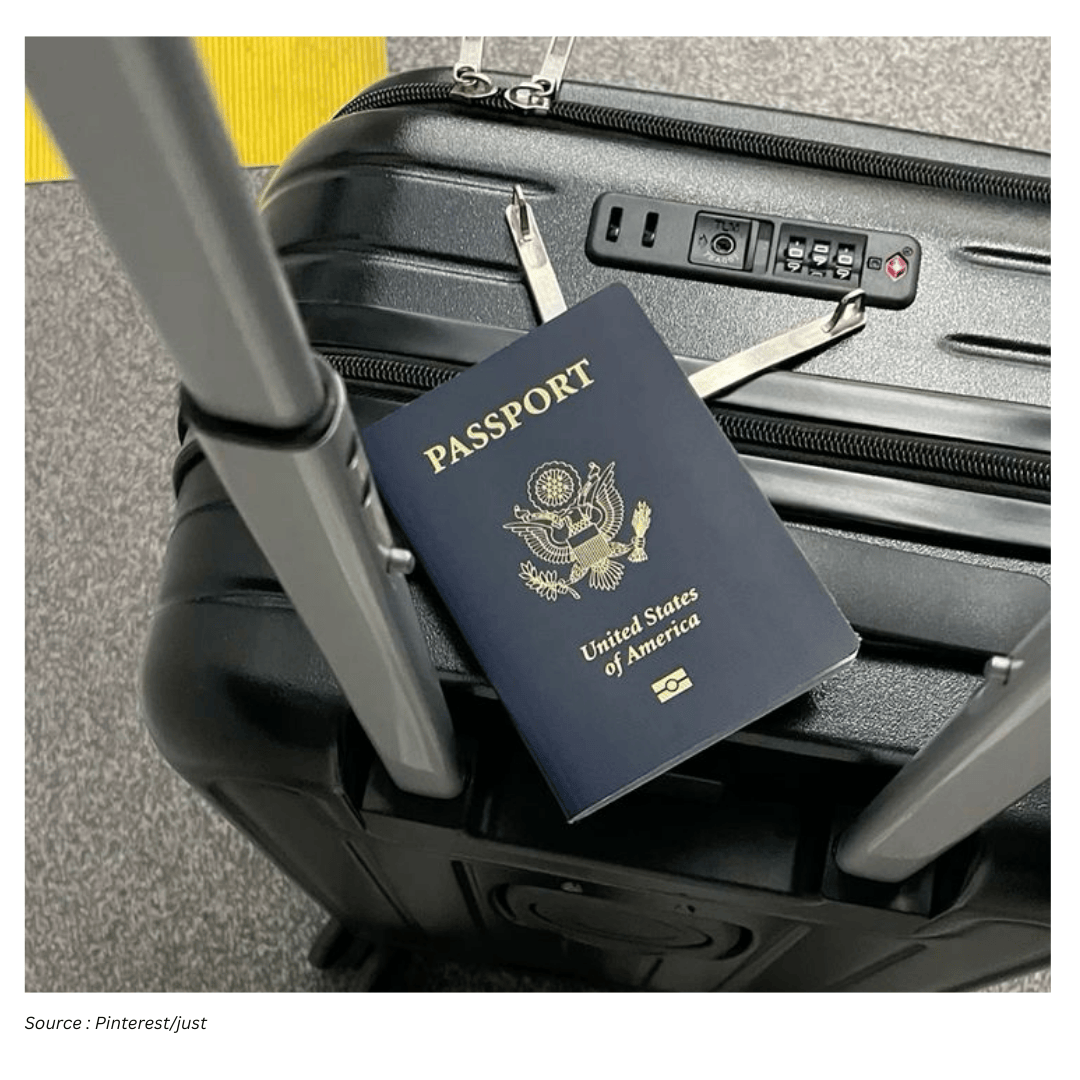
Australia’s travel insurance market in focus
Travel insurance in Australia sits at the intersection of consumer decision-making, distribution partnerships, and competitive positioning among insurers and brands that offer travel-related protection. Within this market, a set of companies is repeatedly referenced as key players, reflecting the breadth of providers and channels that consumers may encounter when comparing policies.
At a high level, market intelligence materials often frame this segment around three recurring needs: understanding trends and behaviors shaping consumer choices, optimizing sourcing strategy with key market data, and staying ahead with ongoing market analysis. Those themes matter because travel insurance is a product category where customers frequently compare options, weigh inclusions and exclusions, and purchase through a variety of touchpoints.
This article outlines the companies identified as key players in the Australia travel insurance market and discusses what that competitive set can imply for how the market is viewed through the lens of research dashboards and market intelligence tools.
Key players named in the Australia travel insurance market
A number of organizations are cited as key players in the Australia travel insurance market. The list includes both specialist insurance providers and broader consumer brands that may offer travel insurance as part of a wider suite of services.
- Allianz Australia Limited
- Zurich Financial Services Australia Ltd.
- nib Travel Services (Australia) Pty Ltd.
- Fast Cover Pty Ltd
- AIG Australia Limited
- 1Cover Pty Ltd.
- Australia Post Group
- American Express Company
- Among others
Even without additional detail on product features or market share, the mix of names is notable. It spans established insurers, travel-focused providers, and well-known consumer-facing brands. That variety is consistent with a market where travel insurance can be distributed and purchased through multiple channels and brand ecosystems.
What the mix of companies suggests about competition
The presence of major insurers alongside travel-specific providers and large consumer brands points to a competitive landscape that is not limited to one type of organization. In practical terms, this can shape how consumers experience the category: some may encounter travel insurance through an insurer’s direct offering, while others may see it presented as an add-on or complementary product through a broader brand relationship.
From a market analysis standpoint, this kind of competitive set can encourage research that looks beyond pricing alone. It can also prompt questions about how customers compare policies, what influences their choices, and how companies position their offerings to stand out in a crowded field.
Why consumer trends and behavior are emphasized
Market intelligence summaries frequently highlight the importance of “trends and behaviors shaping consumer choices.” In travel insurance, consumer behavior can be especially relevant because the purchase is often tied to a specific trip, timing considerations, and a perceived need for protection. As a result, consumers may compare products in a short window and may rely on recognizable brands or distribution partners when making decisions.
Understanding consumer choice is also relevant for companies deciding how to present and package travel insurance. When multiple providers compete, the ability to interpret consumer behavior can influence marketing approaches, product communication, and how coverage options are framed to prospective customers.
Optimizing sourcing strategy with market data
Another recurring theme in market intelligence messaging is the idea of optimizing a “sourcing strategy” using key market data. In the context of travel insurance, sourcing strategy can be interpreted broadly as decisions about which providers to work with, how to structure partnerships, or how to select products for distribution through a particular channel.
Because the cited key players include both insurers and large consumer brands, sourcing decisions may involve evaluating different types of relationships. For example, a business might consider whether to align with a specialist travel insurance provider or a large insurer with a broad portfolio, depending on the intended customer base and the way travel insurance is offered.
Market data can support these decisions by providing structured information that helps stakeholders compare the competitive environment over time, identify shifts in the set of active players, and monitor how the market is described by research providers.
Staying current with market analysis
Market intelligence materials also emphasize the need to “stay ahead with the latest trends and market analysis.” This reflects a broader reality: travel insurance is sensitive to changes in travel patterns, consumer sentiment, and distribution dynamics. In a market with multiple recognized players, ongoing analysis can help stakeholders track competitive developments and adjust their approach accordingly.
For insurers and brands, staying current can mean monitoring how peers position themselves, how the overall market is being discussed in research outputs, and what themes are emerging in consumer decision-making. For intermediaries or partners, it can mean keeping an updated view of which providers are identified as key and how the competitive set is evolving.
Market intelligence dashboards and how they frame the category
The information provided references a subscription-based dashboard offering “all-encompassing market intelligence.” While the details of the dashboard’s datasets and methodology are not specified here, the framing is clear: it is positioned as a tool for tracking market developments across industries and for supporting decisions with structured data.
In this context, the Australia travel insurance market appears as one segment within a broader multi-industry research offering. The same materials also reference a wide array of industries—spanning “over 15 diverse domains”—and provide examples of company lists from sectors beyond insurance. This suggests the dashboard’s approach is to map competitive landscapes by identifying key players within each market and pairing that with trend-oriented insights.
Examples of other sectors referenced in the same market intelligence context
Alongside the travel insurance market, the provided material includes partial lists of companies from other sectors. These references help illustrate how market intelligence products often compile recognizable company names to define competitive sets across categories.
- Payments and commerce-related names such as Amazon Commercial Services Pty Limited, Mastercard International Incorporated, and PayPal Australia Pty (as listed in the provided material)
- Consumer electronics and devices names such as Huawei Device Co., Ltd., Tfive Pty Ltd., Apple Pty Ltd., and Samsung Electronics Australia Pty Limited (as listed in the provided material)
- Food service and restaurant names such as Domino's Pizza Enterprises Limited, McDonald's Australia Limited, Zambrero Pty Ltd, and Nando’s Australia (as listed in the provided material)
- Food and beverage and broader consumer goods names such as Nestlé SA, PepsiCo Inc., JBS SA, Tyson Foods, Inc., Anheuser-Busch InBev SA, and General Mills, Inc. (as listed in the provided material)
These examples are not directly about travel insurance, but they provide context for how the market intelligence framing works: identify a market, list prominent participants, and connect that list to broader trend and data narratives.
What “key players” lists can and cannot tell you
A list of key players is a useful starting point for understanding a market, but it has limits. It can indicate which organizations are considered relevant within a segment and can help readers recognize the range of provider types present. In this case, the key players named include established insurance companies, travel insurance-focused providers, and large consumer brands, which signals a varied competitive environment.
However, a list alone does not explain differences in policy design, pricing, claims experiences, distribution models, or customer preferences. It also does not, by itself, quantify market shares or rank providers. That is where the broader promise of market intelligence—tracking trends, consumer behavior, and market data—typically comes in, offering additional layers of analysis beyond naming participants.
How this relates to comparison-driven consumer decision-making
Travel insurance is often purchased in a comparison mindset: consumers may evaluate alternatives quickly, especially when travel dates are approaching. In markets where multiple providers are active and where brand recognition varies, comparison can become a central feature of how customers choose a policy.
The emphasis on consumer trends and behaviors aligns with this reality. If consumers are comparing options, then understanding what they prioritize—whether that is brand familiarity, convenience, or other decision factors—becomes a strategic concern for providers and distributors alike. The existence of multiple prominent players reinforces the idea that consumers are likely to see a range of options and messaging styles when considering travel insurance.
Operational footprint signals in the provided material
The material also includes several address lines in different locations, presented without further explanation. These include:
- 30 North Gould Street, Sheridan, WY 82801
- C130 Sector 2 Noida, Uttar Pradesh 201301
- 40th Floor, PBCom Tower, 6795 Ayala Avenue Cor V.A Rufino St. Makati City, 1226
- 6 Gardner Place, Becketts Close, Feltham TW14 0BX, Greater London
- 193/26/4 St.no.6, Ward Binh Hung Hoa, Binh Tan District, Ho Chi Minh City
Because no additional context is provided about how these addresses relate to the travel insurance market or the listed companies, they are best read as part of the broader market intelligence product context rather than as market facts about Australian travel insurance providers. Their inclusion underscores that the research and dashboard environment referenced is presented as multi-regional and cross-industry in nature.
Takeaways for readers tracking the Australia travel insurance market
Based strictly on the provided information, several practical observations follow.
- The Australia travel insurance market is described with a competitive set that includes major insurers (such as Allianz Australia Limited, Zurich Financial Services Australia Ltd., and AIG Australia Limited) and travel-focused providers (such as nib Travel Services (Australia) Pty Ltd., Fast Cover Pty Ltd, and 1Cover Pty Ltd.).
- The inclusion of large consumer brands (such as Australia Post Group and American Express Company) indicates that travel insurance can be associated with broader service ecosystems, not only insurance-first brands.
- Market intelligence framing emphasizes consumer behavior, trend tracking, and the use of data to support sourcing and strategic decisions—suggesting that understanding the market is positioned as an ongoing process rather than a one-time snapshot.
For anyone evaluating or monitoring this segment—whether from a business, partnership, or research perspective—the named key players provide a baseline map of prominent participants. From there, the broader market intelligence themes highlighted in the material point toward continued tracking of trends, consumer choices, and competitive dynamics as the practical next step.